
Boost Summer Literacy with Creative Programs
Looking for summer reading program ideas that truly engage kids? This listicle packs 10 creative, ready-to-launch strategies for librarians, teachers, and parents.
SetterFrens is a cozy online community built for dog lovers who believe life’s better with a wagging tail and a good book. Along with our curated selection of dog-themed books, SetterFrens.com features honest reviews of the top dog products and practical how-to guides to help you care for your pup like a pro. Join our Puppicino Club to unlock member perks, book updates, and dog-friendly treats. Stay part of the fun by following @setterfrens on TikTok and Instagram for heartwarming dog moments, product tips, and behind-the-scenes content from our growing pack!
We’ll show you how to build interactive reading bingo, host book character dress-up events, set up tiered rewards, partner with local shelters, and more.
Each idea includes specific step-by-step tips, real examples from schools and libraries, and practical details to keep young readers turning pages all season. You’ll learn how to:
- Gamify digital reading with custom avatars
- Run outdoor story time adventures
- Create mentorship programs that pair older and younger readers
Engaging programs lay the foundation for lifelong reading habits and boost community ties. Our curated dog-themed book selections, honest product reviews, and how-to guides give extra flair to each concept. Plus, our Puppicino Club members get exclusive perks like dog-themed bookmarks and early access to puppy-approved treats.
Jump in and spark a summer reading adventure that gets tails wagging and minds growing.
1. Bingo-Based Summer Reading
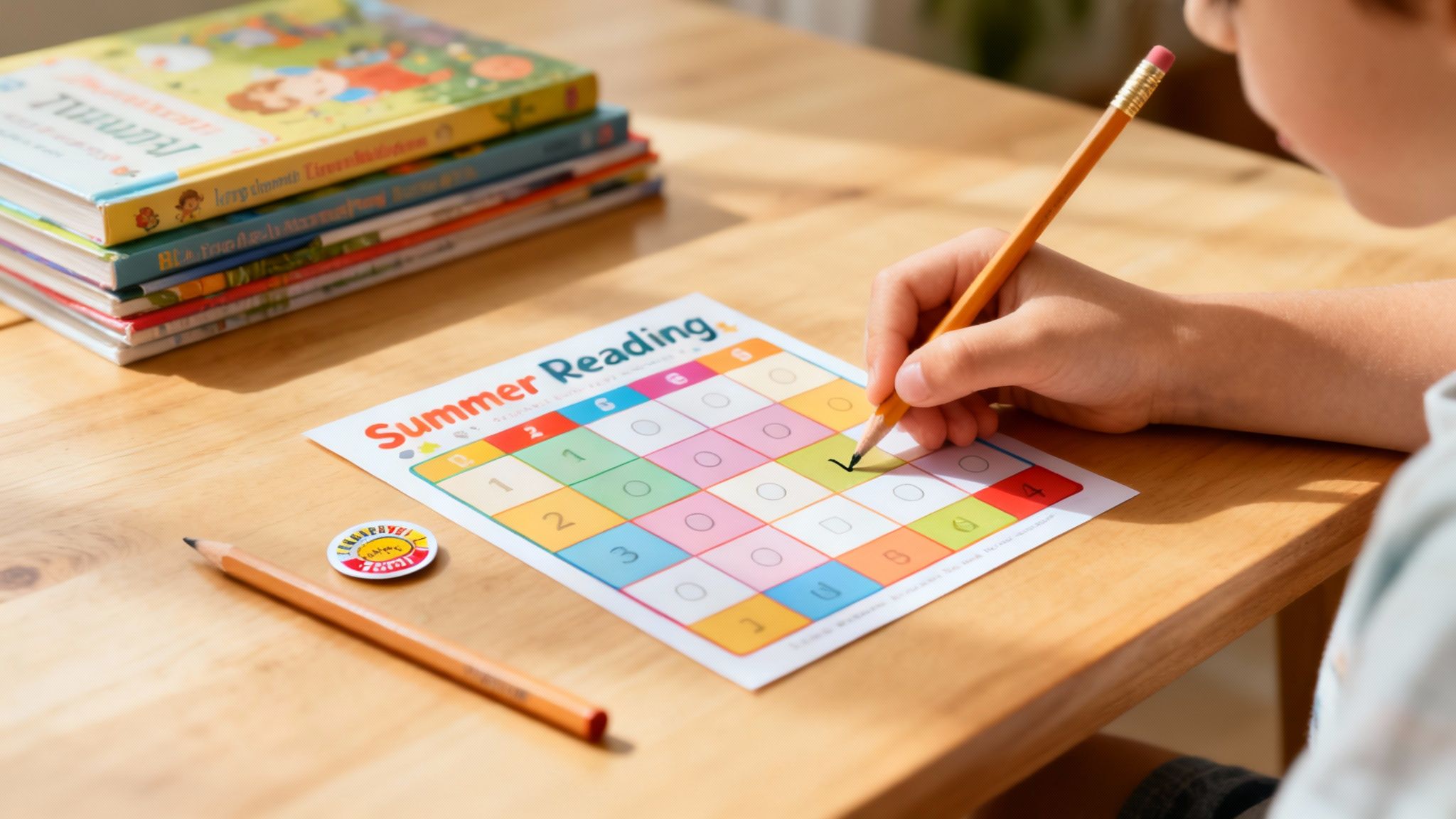
Bingo-Based Summer Reading turns book lists into a fun game that motivates kids to explore new genres and topics. Readers mark off squares on a custom bingo card as they finish mysteries, graphic novels, or pet-themed tales.
How It Works
- Kids receive a bingo card with 25 reading challenges
- Participants complete a row, column or diagonal to earn small prizes
- Full-card finishers get a grand reward like a dog-themed bookmark from SetterFrens
- Libraries track progress digitally or with physical stickers
Why Use Bingo-Based Reading
This program engages diverse interests and taps into friendly competition. It fosters reading stamina by offering clear milestones and social sharing.
Key Insight: Gamification boosts motivation by making reading feel like play, not work
Tips for a Tail-Wagging Challenge
- Include topic squares that tie into pet lifestyle – like “Read a story about a dog hero”
- Offer low-cost prizes: custom art prints or digital badges
- Design beginner, intermediate and advanced cards for ages 5–10, 11–14, 15+
- Celebrate finishers on social channels and in your Puppicino Club newsletter
Libraries like Santa Clara County Library system saw participation jump 30% with this model. Learn more about Bingo-Based Summer Reading on setterfren.com Learn more about Bingo-Based Summer Reading on domain.com
2. Digital Reading Platforms with Gamification
Digital Reading Platforms with Gamification turn e-books and audiobooks into interactive adventures. Readers earn badges, climb levels, and see their names on leaderboards as they hit goals and unlock rewards.
How It Works
- Users log into platforms like Epic! or Goodreads Summer Reading Challenge
- Participants set reading goals, choose digital titles (e-books or audiobooks)
- Built-in badges and points trigger at milestones
- Leaderboards cultivate friendly competition among peers
- Library partnerships (Libby/OverDrive) let kids redeem points for snacks, stickers or Puppicino Club perks
Why Use Digital Platforms
This approach taps into kids’ love of tech to supercharge motivation. Instant feedback and leveling systems boost engagement, while 24/7 access removes location and scheduling barriers.
Key Insight: Programs integrating gamification see up to 50% higher completion rates compared to traditional reading logs
Tips for a Tail-Wagging Digital Challenge
- Pair the platform with physical book pickups to ensure equitable access
- Offer quick training sessions for parents and caregivers on navigation
- Set realistic reading goals with stretch milestones for extra badges
- Design age-specific leagues (ages 6–8, 9–12, teens) on Goodreads and Epic!
- Create redeemable rewards in collaboration with local libraries or SetterFrens
Discover dog-themed e-books and earn canine credits on SetterFrens.com. Join our Puppicino Club for exclusive member perks, book updates, and dog-friendly treats!
3. Book Character Dress-Up Events
Book Character Dress-Up Events invite children to step into their favorite stories with costumes, contests, crafts and photo booths. Libraries like Fairfax County Public Library’s Fairy Tale Festival, Denver Public Library’s Harry Potter summer bash and many school districts’ end-of-summer celebrations show how this summer reading program idea brings books to life.

How It Works
- Announce your theme (fairy tales, sci-fi, dog heroes) and open registration
- Invite kids to choose or DIY their book character costume
- Set up costume contests with age-based brackets
- Offer craft stations for props, masks or wands
- Host meet-and-greets with local authors or storytellers
- Create a photo booth with backdrops and themed props
Why Use Book Character Dress-Up Events
This lively approach turns reading into an immersive experience. Kids deepen their connection to stories, build confidence through performance, and share a sense of community.
Key Insight: Dressing up fosters empathy and storytelling skills by allowing kids to “become” their favorite characters
Tips for Costume-Worthy Fun
- DIY guides: Post easy tutorials on puppets or simple capes
- Craft-alternative: Offer sticker badges or headbands for non-costumers
- Theme clusters: Group events by genre for streamlined planning
- Local partners: Invite a dog-themed children’s author from SetterFrens to host a reading
- Photo contest: Encourage social shares with #PuppicinoCharacter
- Inclusive access: Provide no-cost costume bins or borrowed props
Learn more about creative summer reading program ideas at SetterFrens.com or join our Puppicino Club for dog-themed book perks and behind-the-scenes fun!
4. Reading Challenge with Community Partnerships
Reading Challenge with Community Partnerships transforms reading logs into community-driven rewards. Participants unlock ice cream scoops, movie tickets or bookstore discounts when they hit milestones—thanks to local businesses pitching in.
How It Works
- Partner with 3–5 local businesses such as ice cream parlors, pizza shops, theaters and indie bookstores
- Issue reading logs or digital badges that correspond to milestone tiers (5 books, 10 books, 20 books)
- Readers present completed logs to partners for prize redemption—free cone, ticket stub or discount coupon
- Libraries track redemptions with punch cards or online forms and promote progress in your Puppicino Club newsletter and on @setterfrens channels
Why Use Community Partnerships
This approach extends your summer reading program beyond the library walls. It drives foot traffic for local businesses, offers varied incentives for different ages and creates a buzz in your town. Readers feel rewarded in real time and your library builds goodwill across the community.
Key Insight: Community partnerships turn reading achievements into neighborhood adventures, boosting both literacy and local pride
Tips for Cultivating Successful Partnerships
- Start with 3–5 strong local partners before expanding your roster
- Create tiered rewards so every reader earns something meaningful
- Prioritize independent businesses that share your values
- Provide partners with branded flyers, table tents and social media graphics
- Track redemption data to demonstrate ROI and secure renewals
- Include non-food rewards like bookmarks, pet treats or digital badges
Libraries like Austin Public Library and San Diego Public Library saw summer reading engagement climb by 25% using this model. Learn more at https://setterfren.com/partnerships
5. Book Club Discussion Groups by Age/Interest
Book Club Discussion Groups by Age/Interest bring readers together in small, supportive circles. Segmented by reading level, age bracket, or topic—like dog-themed tales—these groups meet regularly to discuss selected books. Facilitators guide conversations, foster critical thinking, and build lasting friendships.
How It Works
- Participants sign up for groups based on age (5–8, 9–12, teens) or interest (mysteries, pet stories, graphic novels)
- Weekly or biweekly meetings take place in person, online, or via hybrid models
- Facilitators (librarians, teachers, teen leaders) use discussion guides to prompt reflection
- Libraries and schools track attendance and reading logs for rewards like Puppicino Club badges
Why Use Book Club Discussion Groups
This model creates a community around reading, boosting motivation and accountability. Small groups encourage shy readers to share ideas and deepen comprehension. Mixing classic and modern titles keeps discussions fresh and inclusive.
Key Insight: Building peer-driven dialogue makes your summer reading program ideas more social and memorable
Tips for Facilitating Engaging Book Clubs
- Offer both same-age and mixed-age circles to spark mentorship
- Share discussion guides online a week before meetings
- Create a low-pressure vibe—there are no right answers
- Include at least one dog-themed book to tie into our Puppicino Club spirit
- Rotate facilitators, inviting teen leaders to run sessions
- Celebrate with an end-of-summer party or local field trip
Libraries like New York Public Library and Scholastic’s online clubs saw participation soar with these circles. Learn more about Book Club Discussion Groups by Age/Interest on domain.com
6. Reading Log Journaling with Creative Responses
Reading Log Journaling with Creative Responses transforms a basic reading log into an interactive creative outlet. Participants keep a journal that captures titles and page numbers plus personal responses, sketches, alternative endings, and custom cover art. This approach works for schools, homeschool co-ops, and public library clubs.
How It Works
- Provide each reader with a journal template or digital document
- Include prompts such as “Draw your favorite scene” or “Write an alternative chapter”
- Offer multiple formats: paper notebooks, sketch pads, or online platforms
- Schedule mid-summer check-ins for group sharing and feedback
Why Use Reading Log Journaling
This model deepens engagement by letting kids express their voice and creativity while tracking progress. It supports literacy, art skills, and critical thinking in one activity.
Key Insight: Creative response journals boost comprehension and ownership of reading
Tips for Journaling that Inspires Creativity
- Share example entries featuring illustrations, collages, and short poems
- Keep prompts open-ended to welcome diverse age groups 6–16
- Host a journaling workshop early in summer with art supplies
- Showcase finished journals in a library display or digital gallery
- Let participants choose digital or paper formats
Schools in Seattle’s homeschool network reported a 25% rise in summer reading completion using this method. Learn more at setterfren.com to join our Puppicino Club for free journal prompts and dog-themed reading guides.
7. Outdoor Story Time with Themed Adventures
Outdoor Story Time with Themed Adventures brings books to life by setting up mobile reading sessions in parks, beaches, and community spaces with colorful props, costume characters, and interactive scavenger hunts. This program turns each story into an immersive adventure under the open sky.

How It Works
- Librarians schedule pop-up story sessions in local parks, beaches, or plazas
- Each session features a theme (jungle safari, pirate treasure, enchanted forest)
- Volunteers dress in costume and use props to illustrate key scenes
- Pair stories with nature-inspired activities like leaf rubbings or rock painting
- End with a themed scavenger hunt that reinforces reading concepts
Why Use Outdoor Story Time
This approach combines fresh air with literature to spark curiosity and build reading habits. It’s perfect for libraries, parks departments, and parents aiming to reach families who prefer an active, hands-on experience.
Key Insight: Getting kids reading outdoors increases engagement by blending movement, imagination, and discovery
Tips for Outdoor Story Time
- Coordinate with parks departments early for permits and schedules
- Develop an indoor backup in community centers for rainy days
- Assemble portable story kits with easy-to-carry props
- Train volunteers on audience engagement and weather safety
- Partner with local authors for special book signings
- Promote events on social media and tag @setterfrens for wider reach
Visit SetterFren.com to access dog-themed story kits and join our Puppicino Club for exclusive member perks.
8. Author Meet-and-Greet Events
Author Meet-and-Greet Events bring children’s and YA authors face-to-face with readers in person or online. Participants enjoy lively talks, book signings, Q&A sessions, and hands-on writing workshops that spark curiosity. This approach enriches summer reading program ideas by weaving live author insights into your SetterFrens community experience.
How It Works
- Libraries or schools book in-person or virtual author visits
- Events start with a 20-minute author reading and storytelling
- A moderated Q&A lets kids ask about characters and creative process
- Optional autograph or mini writing workshop follows the talk
- Record virtual sessions for Puppicino Club members to revisit
Why Use Author Meet-and-Greet Events
Meeting a favorite author transforms reading from a solo pastime into an interactive adventure. These real-time encounters drive motivation, foster writing ambitions, and deepen literary appreciation. Partnering with local bookstores or PTAs broadens reach and aligns perfectly with summer reading program ideas.
Key Insight: Direct author interactions turn books into living conversations, boosting enthusiasm and retention
Tips for a Pup-Perfect Event
- Apply for grants from library foundations or educational nonprofits
- Collaborate with indie bookstores like Powell’s or The Raven Book Store
- Feature a mix of bestselling names and emerging diverse voices
- Offer both live and virtual attendance options
- Share a pre-event reading guide and host peer book-chat follow-ups
Learn more about Author Meet-and-Greet Events on domain.com
9. Reading Incentive Programs with Tiered Rewards
Reading Incentive Programs with Tiered Rewards structure summer reading program ideas around clear milestones—books, pages, or hours read—and unlock escalating perks at each level. Libraries like Sunflower Library in Kansas, many public systems, and local school district initiatives use tracking charts or apps to keep kids engaged from day one to the finale.
How It Works
- Participants choose a goal by age group (5–7, 8–10, 11–14)
- Readers log progress on paper charts or a digital portal
- Reaching each tier earns rewards: stickers, bookmarks, or dog-themed art
- Top-tier finishers snag certificates, grand-prize raffle entries, or a Puppicino Club storytime
Why Use Tiered Rewards
This format keeps motivation high by celebrating every step forward. Breaking big goals into bite-sized wins supports diverse reading speeds and builds confidence in reluctant readers.
Key Insight: Incremental checkpoints sustain momentum and foster a sense of achievement
Tips for Tiered Rewards Success
- Set realistic targets tailored to each grade level
- Create multiple pathways—page counts, book reviews, or listen-alongs
- Offer non-material rewards: virtual shout-outs, certificates, or library privileges
- Display progress publicly on a leaderboard or bulletin board
- Link to SetterFrens’ Puppicino Club for bonus dog-friendly treats and members-only perks at setterfren.com
With clear tiers and fun incentives, this model transforms summer reading into an exciting journey for every young book lover.
10. Reading Mentorship and Buddy Programs
Reading Mentorship and Buddy Programs pair older students, teens, or trained adult volunteers with younger children for summer reading partnerships. Mentors and mentees meet weekly to read together, discuss books, and set accountability goals. Examples include AmeriCorps Reading Corps programs, Big Brothers Big Sisters literacy initiatives, school district peer tutoring, and library-based teen volunteer reading programs.
How It Works
- Recruit and train mentors on reading strategies
- Match mentors and mentees by age, reading level, and interests
- Schedule regular 30–60 minute sessions in person or virtually
- Provide activity guides, book suggestions, and dog-themed story lists from SetterFrens
- Track progress with simple reading logs and check-in forms
Why Use Reading Mentorship and Buddy Programs
This model creates one-on-one relationships that build confidence, foster accountability, and encourage reluctant readers. Personalized attention helps mentees tackle challenging texts and develop a love of reading.
Key Insight: Consistent, supportive partnerships boost reading proficiency and social engagement more than solo reading challenges
Tips for a Tail-Wagging Mentor Match
- Develop a comprehensive mentor training program with role-plays and resource kits
- Create clear matching criteria based on reading level, interests, and availability
- Offer flexible meeting formats—park benches, kitchen tables, or Zoom calls
- Celebrate matches in your Puppicino Club newsletter and social channels
- Provide small stipends or service-hour credits for teen volunteers
- Host mid-program check-ins to address challenges and share success stories
- Build a peer community among mentors for support and idea sharing
- Measure reading growth through surveys and progress metrics
Libraries and schools nationwide report higher engagement when adding a mentorship track. For more summer reading program ideas, visit https://setterfren.com and join our Puppicino Club for dog-friendly book lists, member perks, and community support!
10-Point Comparison of Summer Reading Program Ideas
| Program | Implementation Complexity 🔄 | Resource Requirements ⚡ | Expected Outcomes ⭐ | Ideal Use Cases 💡 | Key Advantages 📊 |
|---|---|---|---|---|---|
| Bingo-Based Summer Reading | Low — simple rules and setup | Low — printed cards, small prizes, volunteer time | ⭐⭐⭐ — increased participation & genre exploration | Libraries, schools, low-budget programs | Gamified engagement; low cost |
| Digital Reading Platforms with Gamification | Medium–High — integration & maintenance | High — devices, subscriptions, IT support | ⭐⭐⭐⭐ — wide reach; measurable usage data | Tech-savvy communities; scalable initiatives | Real-time tracking; varied formats |
| Book Character Dress-Up Events | High — event planning and logistics | Medium — venue, props, staff/volunteers | ⭐⭐⭐ — memorable engagement & social buzz | Community festivals; visibility campaigns | Strong community building; shareable experiences |
| Reading Challenge with Community Partnerships | Medium — partner coordination needed | Low–Medium — partner-provided rewards, admin | ⭐⭐⭐⭐ — motivates reluctant readers; local exposure | Communities with active local businesses | Tangible rewards; shared costs; local promotion |
| Book Club Discussion Groups by Age/Interest | Medium — facilitator training & scheduling | Low–Medium — staff time, meeting space, materials | ⭐⭐⭐⭐ — deep engagement; critical thinking gains | Older kids, schools, sustained-reader groups | Builds discussion skills; peer support |
| Reading Log Journaling with Creative Responses | Low–Medium — templates and check-ins | Low — paper or digital journals, minimal materials | ⭐⭐⭐ — improves reflection & writing skills | Creative learners; classroom assignments | Develops literacy & creativity; keepsake output |
| Outdoor Story Time with Themed Adventures | Medium — logistics, permits, weather plans | Medium — mobile props, trained staff, transport | ⭐⭐⭐ — reaches non-library families; active participation | Parks, beaches, outreach programs | Accessible outreach; blends play and literacy |
| Author Meet-and-Greet Events | High — advance booking and coordination | High — author fees, venue/tech, promotion | ⭐⭐⭐⭐ — inspires readers; strong attendance spikes | Special events, grant-funded series, big draws | High inspiration value; raises program profile |
| Reading Incentive Programs with Tiered Rewards | Low — clear milestones and tracking | Low–Medium — rewards, tracking tools | ⭐⭐⭐ — motivates through clear goals; easy tracking | Large-scale summer programs; schools | Simple to implement; scalable; measurable |
| Reading Mentorship and Buddy Programs | High — recruitment, training, supervision | Medium–High — training resources, staff oversight | ⭐⭐⭐⭐ — personalized support; strong equity impact | Struggling readers; equity-focused programs | One-to-one attention; leadership development |
Ready to Launch Your Summer Reading Adventure?
Key Takeaways
Summarize your favorite summer reading program ideas with these essential insights:
- Bingo-Based Summer Reading sparks friendly competition and choice
- Gamified digital platforms keep tech-savvy kids engaged
- Character dress-up events and outdoor story time bring books to life
- Community partnerships and tiered incentives build real-world connections
- Reading mentorship and book clubs deepen discussion and confidence
“Mixing creativity with clear rewards transforms any reading program into a summer highlight.”
Next Steps
Turn these ideas into action with a simple roadmap:
- Pick your top three program formats based on your audience’s interests
- Secure community partners—local pet shops or cafés make perfect venues
- Gather materials: themed bingo cards, digital badges, costume props
- Recruit volunteers or mentors from local schools, libraries, or puppy-play groups
- Announce your schedule on social media, newsletter lists, and in-house flyers
Why Mastering These Approaches Is Valuable
- Builds lasting reading habits before the next school year
- Encourages social interaction—kids share stories, parents join in the fun
- Offers fresh angles on traditional summer camps or book fairs
- Supports literacy goals while sneaking in creative play
Connecting to the Broader Impact
By blending inventive formats—like dog-themed book picks from SetterFrens—and strong community ties, you’ll see:
- Increased attendance and repeat participation
- Stronger library or classroom-community relationships
- Positive word-of-mouth through families and local businesses
With each activity, you reinforce that reading can be as joyful as chasing a tennis ball or curling up with a puppy. From digital quests to real-world rewards, these summer reading program ideas set kids on a path of discovery that lasts all year.
Let this summer be the season kids remember for thrilling stories, new friends, and maybe even furry reading buddies. Your readers—whether they’re librarians, teachers, or parents—now have the tools to create an unforgettable program that nourishes young minds and celebrates the pure joy of a good book.
Ready for even more dog-themed reading inspiration? Join Setterfrens LLC at Setterfrens LLC to explore our curated selection of pup-friendly storytime favorites, honest pet product reviews, and exclusive Puppicino Club perks perfect for your next summer reading program adventure.