A truly great picture book is more than just a story with pretty pictures. It's a magical partnership, a delicate dance where the words and illustrations are so intertwined they create one unified, unforgettable experience. This synergy is what turns a simple read-aloud into a cherished memory, strengthening the bond between a child, a parent, and even the family dog listening in. At SetterFren, we believe life’s better with a wagging tail and a good book, and a fantastic picture book is the perfect way to bring those two worlds together.
The Magic Behind Words and Illustrations
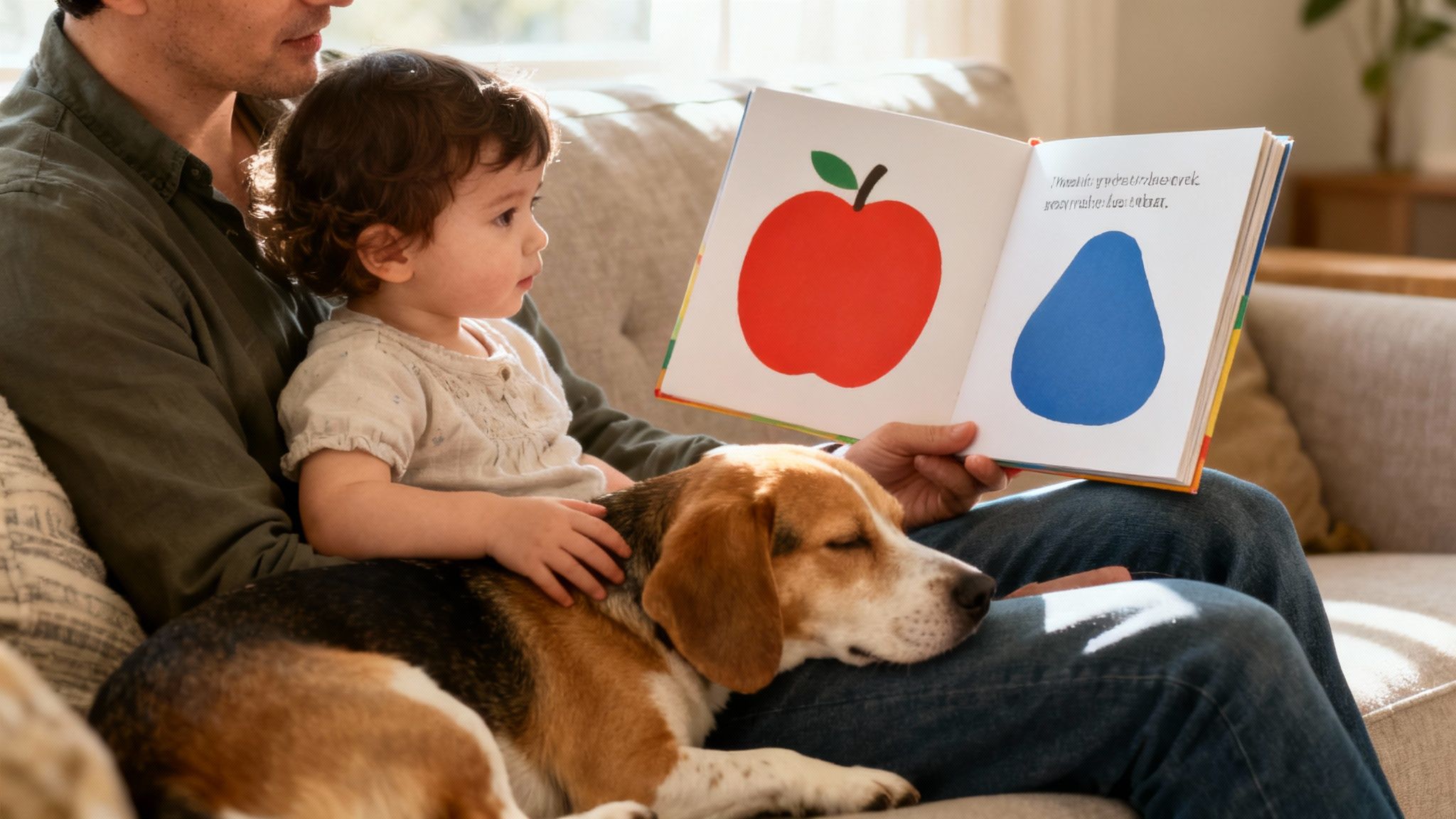
Ever notice how some picture books just work? They pull you in and are impossible to put down. For you, the child on your lap, and your furry friend snuggled close, that magic comes from the seamless harmony between what you read and what you see.
Think of the words as the sturdy frame of a kite, giving the story its shape and direction. The illustrations? They're the vibrant tail, catching the wind and making the whole thing soar with color and life. One gives structure, but the other makes the journey an absolute delight.
This perfect balance is what elevates a book from good to great. The best authors and illustrators know that kids absorb stories with all their senses, and they craft their work to honor that.
Simple Language That Sings
The best picture books almost always use simple, rhythmic, and often repetitive language. This isn’t about making the story less intelligent; it's about making the words feel like a song that's easy for little ears to catch onto. That musical quality is what holds a child’s attention, making the experience both soothing and completely engaging.
When the language is crisp and clear, it doesn't have to do all the heavy lifting. It leaves breathing room for the illustrations to inject emotion, humor, and extra layers of meaning. This space is where a child's imagination can jump in and play, making the story their own.
Illustrations That Tell Their Own Story
In a fantastic picture book, the illustrations don't just echo what the words say—they expand the world. They show you the unspoken joy on a character's face, the mischievous glimmer in a puppy's eye, or the deep, cozy feeling of being safe at home.
A truly well-illustrated book is one you could flip through without reading a single word and still understand the heart of the story. The art carries its own narrative weight, adding richness and detail the text alone simply can't.
Visual storytelling is an incredibly powerful tool. It helps children build visual literacy, teaching them to read emotional cues and grasp bigger ideas through the clever use of color, composition, and character expression. If you've ever been amazed by how artists bring characters to life, you can get a peek behind the curtain with our guide on drawing dogs step-by-step.
This powerful combination of words and pictures has an undeniable appeal. It's why picture books make up such a huge slice of the children's book market. To put it in perspective, over 40 million children's books were sold in the U.S. in 2022 alone, with picture books leading the pack. Their enduring popularity proves just how effective they are for early learning and shared family fun. For a deeper dive, you can discover more insights about children's book market trends on PublishDrive.
What Makes a Good Picture Book Instantly Click
So, what are those core ingredients that separate a good picture book from a timeless classic? Here's a quick look at the elements that make a book truly click with young readers.
| Key Element | Why It's Essential for a Great Read |
|---|---|
| Engaging Story | A simple but compelling plot with a clear beginning, middle, and end gives kids a satisfying journey. |
| Relatable Characters | Children connect with characters who have familiar feelings, even if they're a grumpy badger or a silly goose. |
| Harmonious Art | The illustration style must match the story's tone—whimsical art for a funny tale, soft colors for a quiet one. |
| Thoughtful Pacing | The rhythm of page turns builds suspense and excitement, keeping little readers eager to see what's next. |
| Emotional Resonance | The story should make kids feel something, whether it's laughter, comfort, or a sense of wonder. |
Ultimately, these elements work together to create an experience that feels both effortless and profound—the true hallmark of a picture book that will be read and loved for years to come.
Creating Characters Your Family Will Adore

Think about the picture book characters you still remember from when you were little. They almost feel like old friends, right? Whether it’s a mischievous puppy who can’t stay out of trouble or a quiet hero on an unexpected adventure, these unforgettable characters are the true heart of a story.
A truly great character holds up a mirror to the reader. They reflect feelings every kid recognizes—curiosity, shyness, excitement, or even fear—and in doing so, they make children feel seen and understood. That powerful connection is what makes a story stick around long after the book is back on the shelf.
The Spark of Relatability
So, what makes a character really shine? Authenticity. They need a clear, consistent personality that drives everything they do. Is the hero of our story a brave little beagle who's always first in line for adventure, or a shy setter who needs a bit of gentle encouragement to join the fun?
This kind of consistency helps a child learn to anticipate how a character might react, building a special bond of trust and familiarity. When a character’s personality is rock-solid, they stop being just drawings on a page. They become real companions your family can root for, story after story.
Great characters don’t need to be perfect; they just need to be real. A character who makes mistakes, feels grumpy, or gets scared is so much more relatable than one who never puts a foot wrong. This emotional honesty gives kids permission to accept their own big feelings.
These believable personalities are especially vital in stories that feature our favorite four-legged friends. As a cozy online community for dog lovers, we know how important it is to capture that unique canine spirit with warmth and truth. A well-crafted pup becomes more than a character; they become a cherished friend for generations.
Building Personalities That Pop
How do writers and illustrators actually build these personalities that resonate so deeply? It often comes down to focusing on a few key traits that push the story forward and make the character instantly recognizable.
- A Defining Desire: Every memorable character wants something. It might be finding a lost toy, making a new friend, or just getting a really good treat. This goal is what gives the story its engine.
- A Quirky Trait: Think about a character with a funny habit, a special talent, or a unique way of speaking. These small, specific details are what make them unforgettable and add so much charm.
- Clear Emotions: The illustrations and the words must work together to show exactly what the character is feeling. An arched eyebrow, a drooping tail, or a joyful leap can say more than a whole paragraph of text.
In the end, a character your family will adore is one who feels genuine. They invite you into their world, share their ups and downs, and leave you feeling like you’ve made a new friend—one you can't wait to visit again and again.
Exploring Themes That Connect and Comfort
The best picture books feel like a warm hug. They do more than just tell a fun story; they plant a little seed of an idea or a feeling that sticks with a child long after you’ve closed the cover. That’s the magic of a powerful theme. It’s the story’s heart.
Themes don't have to be big, loud, or preachy. In fact, the best ones are whispered, not shouted. They’re woven so seamlessly into the fabric of the story that a child absorbs the message simply by following the characters. A book about a lost puppy finally finding its way home isn't just a cute adventure—it’s a quiet lesson in resilience, hope, and the incredible comfort of belonging.
Tackling Big Ideas in Simple Ways
Let's face it, kids deal with huge emotions every single day. Picture books give them a safe, cozy space to explore those feelings, offering words and a framework to make sense of it all. This is where a story becomes a powerful tool for building empathy and social awareness.
The goal of a strong theme isn't to deliver a moral but to forge a genuine emotional connection. It sparks important conversations and inspires a few extra cuddles with your pup, creating moments for shared understanding.
When a character in a book bravely faces the dark or learns how to share a beloved toy, it helps a child process their own very real fears and challenges. These stories act like a gentle rehearsal for life. It's a bit like learning about the importance of puppy socialization; stories help children figure out how to navigate their world with kindness and a bit more confidence.
Universal Themes That Always Resonate
While every story is unique, the ones that become timeless classics often tap into universal human experiences. These are the big ideas that connect with all of us, no matter our age, because they speak to our shared hopes, fears, and joys.
Here are some of the themes that never fail to hit home:
- Belonging and Friendship: Stories about finding your pack and the incredible feeling of being loved for exactly who you are.
- Overcoming Fear: Books that show it’s perfectly okay to be scared, and that true courage is just taking that one small step forward anyway.
- Empathy and Kindness: Tales that beautifully illustrate how even the smallest act of compassion can make a huge difference.
- Resilience and Hope: Narratives that highlight our inner strength to keep going, even when things feel really tough.
These themes offer so much comfort. They tell a child, "Your feelings matter, and you're not the only one who feels this way." And really, that might be the most important message any story can give.
How Pacing and Page Turns Build Excitement
The rhythm of a picture book is that invisible magic that keeps little fingers itching to flip the page. It's more than just the words and pictures; what makes a great book feel alive is its pacing—the deliberate control of the story's speed. Think of it as a perfectly timed drumbeat that builds excitement moment by moment.
For example, short, punchy sentences can make a scene feel fast and energetic, like a character scrambling up a tree. This pulls the reader forward. On the other hand, a stunning, full-page illustration with just a few words forces a pause. It gives a child a moment to drink in the art and feel a big emotion, whether it’s awe, happiness, or even a little bit of worry for the hero.
The Magic of the Page Turn
In the world of a standard 32-page picture book, the page turn is your most powerful storytelling tool. It’s a physical stop in the action, a built-in moment of suspense. A clever author or illustrator uses this to hide a surprise, reveal the story’s big twist, or finally show the solution to a problem. Every single page turn is a mini-cliffhanger.
The real magic happens in that split second right before the page is turned. It's the "What happens next?!" moment. A brilliantly paced book leans into that curiosity, turning reading from a passive activity into an exciting, interactive experience.
This intentional structure is what gets kids—and, let's be honest, their parents—totally hooked. It's a carefully planned dance between building anticipation and delivering a satisfying payoff. This infographic touches on how a story's core themes connect with readers, and pacing is the vehicle that delivers those emotional connections effectively.
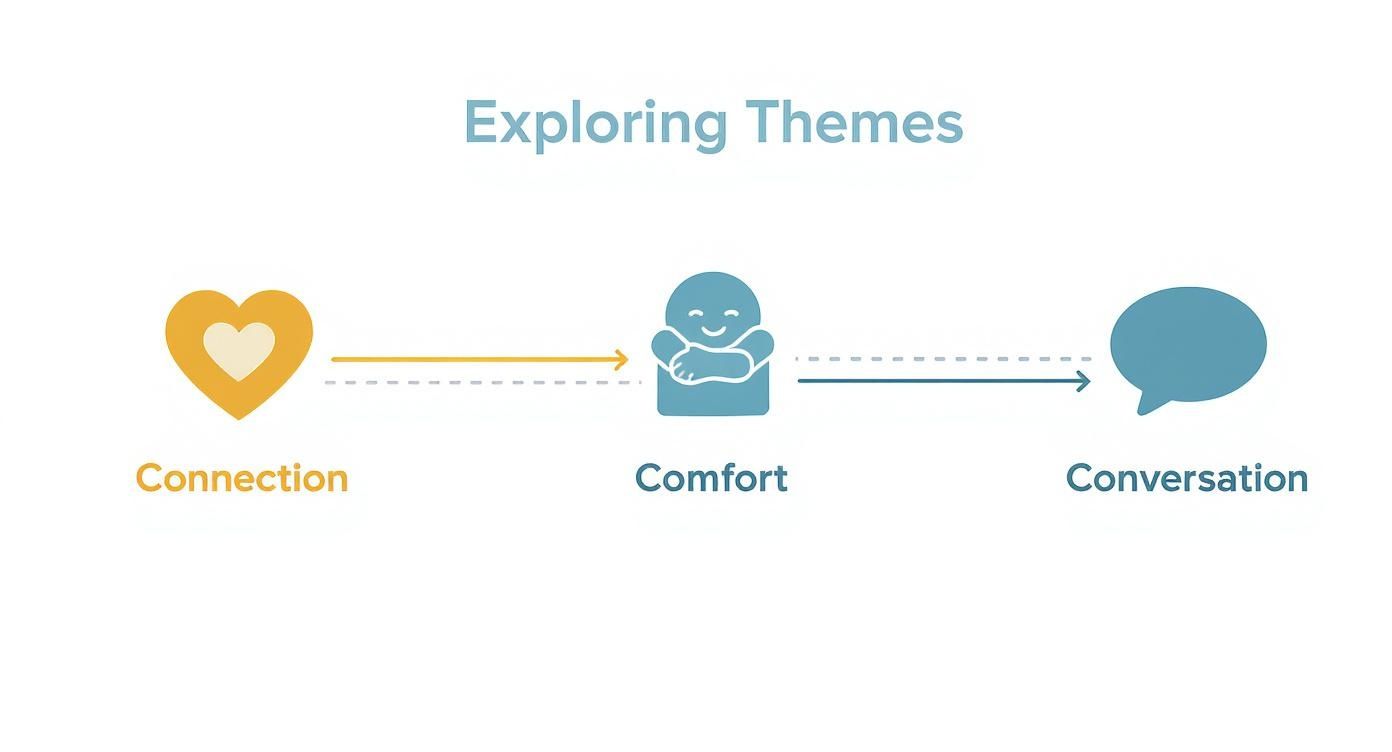
As you can see, the story’s rhythm is what helps establish a connection, offers comfort, and ultimately opens the door for meaningful conversations.
Structuring the Story for Impact
The best picture books are masters of controlling this rhythm to squeeze every drop of emotion out of the journey. They don't just let the story unfold; they guide the reader through it with a few key techniques.
- Varying Sentence Length: Quick, snappy sentences create a fast, almost breathless pace. Longer, more lyrical sentences invite the reader to slow down and savor a moment.
- Strategic Illustration Spreads: Nothing beats the "page turn reveal" where you flip the page to find a breathtaking two-page spread. It's an instant "wow" moment.
- Repetitive Phrases: A recurring line or phrase acts like a familiar chorus in a song. It's incredibly comforting for young kids and invites them to read along.
When it's all said and done, pacing is the story's heartbeat. It controls the entire flow, making sure the reader is right there with the main character, feeling every ounce of their triumph and wonder.
Why Interactive Elements Make Reading Fun
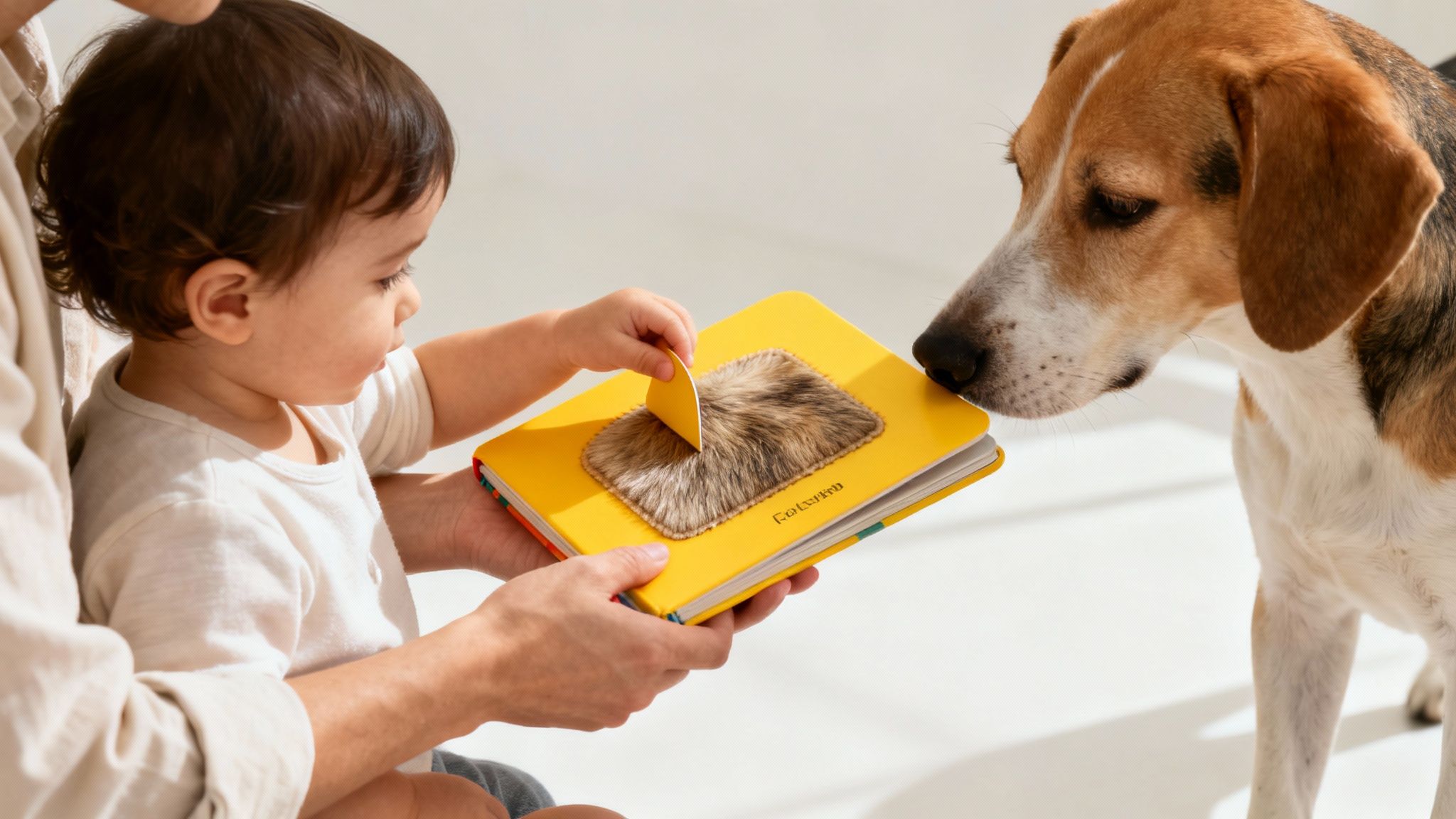
Some of the most magical picture books are the ones that ask a child to do something. They invite you to lift a flap and discover a hidden puppy, touch a fuzzy patch of "fur" on a bear, or pull a tab to make a car zoom across the page. These little actions turn reading into a hands-on adventure, transforming a simple book into an entire experience.
But this isn't just about bells and whistles. An interactive book is a brilliant educational tool hiding in plain sight. When a child engages with these features, they’re not just goofing around—they’re sharpening their fine motor skills, feeding their curiosity, and learning without even realizing it.
It's this act of participation that truly hooks them, creating a multi-sensory journey that can hold their attention far longer than words alone.
Beyond the Page: Engaging Little Minds
So, what’s the secret sauce? Interactive books tap directly into how young children learn best: through pure, unadulterated exploration. A simple lift-the-flap isn't just a piece of cardboard; it's a mystery box waiting to be opened. This active involvement is what makes the information stick.
Think about it. You can tell a child a dog is hiding behind the bush, and they might remember. But letting them physically lift the flap to find the wagging tail for themselves? That creates a "Eureka!" moment that cements the idea in their mind.
An interactive book gives a child agency in the story. They become a co-creator of the experience, which is incredibly empowering and makes them want to come back to the book again and again.
This hands-on approach isn't just a passing fad; it's a huge driver in today's picture book market. Parents and educators are hungry for high-quality, engaging content, which is why the global children’s picture book market is projected to swell to $21.68 billion by 2034. This trend shows just how much we value books that do more than just sit there. If you're curious, you can learn more about the picture book market's future from this insightful report.
The Building Blocks of Interactive Fun
Authors and illustrators have a whole bag of tricks they use to invite kids into the story. Each one offers a different way for a child to play along, turning the narrative into a personal discovery.
Here are a few of the most popular interactive elements you'll find:
- Lift-the-Flaps: These are classics for a reason. They build anticipation and are perfect for surprise reveals, which helps teach the concept of object permanence to the littlest readers.
- Touch-and-Feel Textures: Books with patches of soft fur, scratchy sand, or bumpy scales engage a child’s sense of touch, making the world inside the book feel more tangible and real.
- Pop-Ups: Talk about a showstopper. Pop-ups create stunning, three-dimensional scenes that can leave a kid breathless, making key moments in the story totally unforgettable.
- Sliders and Pull-Tabs: These simple mechanics let children directly affect the action on the page—making a character wave or a rocket ship blast off.
By turning reading into a playful, hands-on activity, these books create a deep-seated love for stories that can last a lifetime. They prove that a book isn't just something you look at—it's something you do.
Choosing the Perfect Book for Your Little Reader
Let's be honest, not all picture books are created equal. What makes a two-year-old giggle with delight might leave a first-grader completely bored. The real secret to a successful story time is knowing how to match the book to the child's specific stage of development. Get this right, and reading becomes a joy, not a chore.
Think of it like picking out a toy for a dog. You wouldn't give a tiny chew toy to a Great Dane, right? In the same way, a baby who is just learning to see the world needs a simple, high-contrast board book, while a five-year-old is ready to dive into stories with real characters and maybe even a little bit of drama.
Picking the right book isn't about finding the most complex story; it’s about making a connection. The goal is to find something that meets a child exactly where they are, making them feel seen, understood, and eager to turn the page.
When you choose a book that fits just right, you're not just reading a story—you're building a foundation for a lifetime of loving books.
Matching Books to Milestones
So, how do you pick a winner every time? It all comes down to understanding what’s happening in their world. A book that resonates at the right moment can build confidence and make them feel like a reading superstar.
Here’s a quick cheat sheet for matching books to your little one’s age and stage:
-
Babies (0-12 Months): This age is pure sensory exploration. You can't go wrong with sturdy board books that have bold, black-and-white images or super bright colors. Even better? Books with different textures to feel or crinkly pages that make a fun sound.
-
Toddlers (1-3 Years): Toddlers are fascinated by their own lives. They absolutely love simple, repetitive stories about things they recognize, like getting ready for bed, playing at the park, or a family pet. This is also the golden age for interactive books—lift-the-flaps are always a massive hit and great for their little hands.
-
Preschoolers (3-5 Years): Now they're ready for a bit more. Look for stories with a clear plot and characters who are navigating big feelings they can relate to. Books about making friends, learning to share, or being brave enough to try something new are perfect for sparking great conversations long after the story is over.
A thoughtfully chosen book can also make a wonderful gift for a special occasion. If you need a little inspiration, our guide to perfect dog lover gift ideas has some fantastic book suggestions that will have the whole family smiling.
Got Questions About Picture Books? We've Got Answers
Diving into the wonderful world of picture books often sparks a few questions. It's a whole art form, after all! Here are some of the most common queries we get from the SetterFren community about what makes these little books so special.
How Can I Spot Great Picture Book Illustrations?
This is a fantastic question. The best illustrations are more than just pretty pictures—they're a huge part of the storytelling. Think of them as a co-author.
Look for art that adds another layer to the story. Do the characters' faces clearly show how they're feeling? Do you spot little details in the background that aren't mentioned in the text? The art should pull you into the world and make it feel real. A truly masterful picture book tells its story so well through the images that you could follow along even if you couldn't read the words.
The most effective illustrations don’t just reiterate the text; they complement and expand upon it, adding new layers of meaning and delight for the reader.
Ultimately, great art makes you want to linger on the page a little longer, exploring every corner.
Why Are So Many Picture Books the Same Length?
You've probably noticed that most picture books seem to be 32 pages long. That’s no coincidence! This has been the industry standard for a long time, and for good reason. It’s the perfect length to tell a complete story with a satisfying beginning, middle, and end, all without losing a little one's attention.
This structure gives the author and illustrator just enough space to build a world, create a little tension, and bring it all to a happy conclusion. It’s the sweet spot for a cozy bedtime read.
Are Wordless Picture Books Actually Good for Kids?
Oh, absolutely! Wordless picture books are pure magic for a child's developing brain. They are powerhouses for building visual literacy—the ability to read and understand images—which is a crucial skill.
Because there are no words to guide them, kids have to step into the role of the storyteller. They look for clues, interpret emotions, and predict what will happen next. This process sparks incredible creativity and conversation. You and your child get to create the story together, and it might be a little different every time you read it. It's a team effort, and it’s a blast.
At SetterFren, we believe the right book can turn any moment into a memory. For more hand-picked favorites, honest reviews of top dog products, and practical how-to guides, check out the curated library over at Setterfren.com. Join our Puppicino Club to unlock member perks and book updates, and stay part of the fun by following @setterfrens on TikTok and Instagram for heartwarming dog moments from our growing pack