So, you’re thinking about getting a dog. That’s fantastic! But before you start scrolling through endless photos of adorable puppies, let's take a step back and talk about you. The secret to finding the perfect canine companion isn't about picking the cutest face—it's about finding a dog that genuinely fits into your life as it is right now.
An honest look at your energy levels, living situation, and daily schedule is the most important first move you can make. This is where the magic happens, ensuring you build a happy, thriving home for both of you right from the start.
Matching a Dog to Your Real Lifestyle
It's easy to get swept up in the dream of owning a dog—picturing those perfect sunny walks in the park and cozy evenings on the couch with a good book. But the best dog-owner relationships are built on reality, not just dreams.
This is all about making a great match, where a dog's needs don't just squeeze into your life but actually complement it. We’ve seen it happen too many times: people skip this step and end up with a high-energy dog going stir-crazy in a tiny apartment, or a shy, sensitive pup feeling overwhelmed in a loud, busy home. A little self-reflection now prevents a lot of stress and potential heartbreak down the road.
Evaluate Your Daily Routine and Energy
First things first, get real about your own energy. Are you the kind of person who’s up at dawn for a run, or someone who's perfectly happy with a leisurely stroll and a quiet night in with a good book? There’s no right or wrong answer, but it will point you toward very different types of dogs.
- Active Adventurers: If your weekends are all about hiking, running, or exploring new places, you'll need a dog with the get-up-and-go to match. Think breeds like a Vizsla or an Australian Shepherd who live for that kind of action.
- Relaxed Homebodies: If your idea of a great day involves a gentle walk followed by hours of quality couch time, a lower-energy buddy like a Basset Hound or a Cavalier King Charles Spaniel would be much more in sync with your vibe.
Your work schedule is another huge piece of the puzzle. If you’re out of the house for 10 hours a day, a dog prone to separation anxiety will be miserable. On the other hand, a more independent dog might be perfectly fine snoozing the day away until you get home.
This infographic does a great job of showing how these different lifestyle factors come into play.
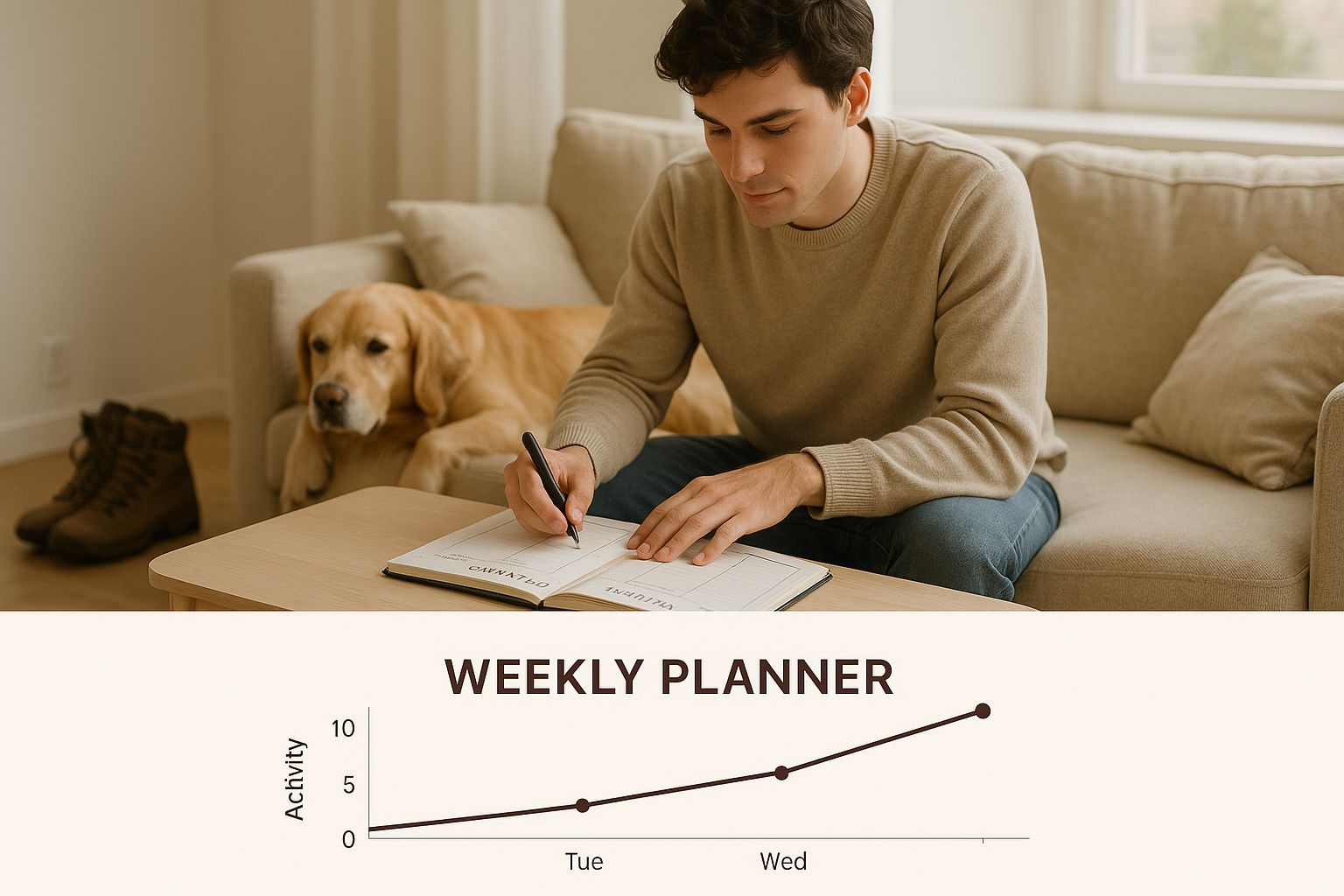
As you can see, it’s all about balancing the time you can realistically give for walks, training, and just hanging out.
Consider Your Living Space
Your home is going to be your dog’s whole world, so it needs to be the right fit. And we're not just talking about square footage—it's about the kind of space you live in. A sprawling farmhouse offers a very different life than a chic city apartment.
Big, bouncy dogs often do best with a yard where they can get their zoomies out. Now, that doesn't mean you can't have a large dog in an apartment, but it does mean you have to be ready to commit to multiple long walks and outdoor adventures every single day. If that sounds like you, you might find our guide on how to take care of larger breeds of dogs super helpful.
The goal is to choose a dog who will be comfortable in your space, not one who merely tolerates it. A dog’s size should match your home's capacity to give them a happy, healthy life.
Don't forget to look beyond your four walls. What's your neighborhood like? Are there dog-friendly parks nearby? Safe walking paths? A convenient spot for late-night potty breaks? These things matter just as much as your living room.
By being brutally honest about what your home and lifestyle can truly offer, you're setting the stage for an incredible friendship with your future dog.
Decoding Dog Breeds: It’s What’s on the Inside That Counts

It’s so easy to fall for a pair of puppy-dog eyes or a ridiculously fluffy coat. We’ve all been there. But while looks might be what first catches your attention, it’s the personality and temperament beneath the surface that will determine if you have a friend for life or a decade of frustration.
Think of it this way: you wouldn't pick a book just for its cover, right? The same logic absolutely applies to dogs. Every breed was originally developed for a specific purpose—whether it was herding sheep, hunting birds, or guarding a home. Those deep-seated instincts are still very much a part of who they are today, dictating everything from their energy levels to how much they bark.
This is exactly why getting to know a breed’s history is so important. A brilliant Border Collie, whose ancestors spent their days herding sheep across rugged hills, will likely go stir-crazy in a tiny apartment with no "job" to do. On the flip side, a Poodle’s low-shedding coat could be a dream come true for a family with allergies.
Matching Energy Levels to Your Lifestyle
A dog’s energy level is probably the single most important factor to get right. A mismatch here is a classic recipe for chewed-up shoes, a dug-up garden, and a whole lot of stress for everyone involved. A bored dog is almost always a destructive dog.
And don’t fall for the common myth that small dogs are automatically couch potatoes. A Jack Russell Terrier, for example, is a little stick of dynamite that needs a surprising amount of daily action. At the same time, not all big dogs are boundless balls of energy; gentle giants like Great Danes are often perfectly happy to snooze the day away.
The key is to be brutally honest with yourself about the amount of exercise you can consistently offer. A dog needs to burn off steam every single day—no exceptions for rainy weather, busy work schedules, or days when you’d just rather binge-watch a new series.
To give you a clearer picture, we’ve put together a simple guide to help you see how different energy levels line up with various living situations.
Energy Level vs. Living Space: A Practical Guide
This table helps connect the dots between a dog's inherent energy and the type of home you can provide, ensuring you find a good fit.
| Energy Level | Best Suited Living Space | Daily Exercise Needs | Example Breeds |
|---|---|---|---|
| Low | Apartments, homes without yards | 30-60 minutes of gentle walks | Basset Hound, Bulldog, Pug |
| Medium | Apartments with park access, homes with small yards | 60-90 minutes of brisk walks, fetch, or play | Beagle, Golden Retriever, Standard Poodle |
| High | Homes with large, fenced yards | 90+ minutes of running, hiking, or vigorous play | Border Collie, Siberian Husky, Australian Shepherd |
Finding a breed whose exercise needs genuinely fit into your daily routine is one of the biggest secrets to a happy life with a dog.
Temperament and Trainability
Beyond just energy, every breed comes with a general temperament. Some dogs, like the ever-popular Labrador Retriever, are famously friendly with just about everyone, making them fantastic family companions. Others, like the dignified Akita, are more reserved and protective, a perfect match for an experienced owner who understands their independent nature.
Intelligence and trainability are all over the map, too. A super-smart Poodle or German Shepherd will pick up commands in a flash, but they also get bored easily and need plenty of mental stimulation—think puzzle toys and training games. If you're new to the world of dogs, a breed known for being eager to please, like a Cavalier King Charles Spaniel, can make the training journey a whole lot smoother.
With roughly 471 million pet dogs around the globe and 45.5% of U.S. households having at least one dog, you’re in good company trying to find the right one. The sheer variety means there’s a perfect personality out there for almost anyone. For more context on these numbers, you can explore the latest insights from the World Animal Foundation.
Don’t Forget Grooming and Health
Finally, let's talk about the practical side of things. That gorgeous double coat on a Siberian Husky? It comes with a price: massive shedding seasons and a whole lot of brushing. If the thought of "Husky glitter" covering every surface of your home makes you cringe, a low-shed breed is probably a better bet.
But grooming is more than just shedding. Breeds like Cocker Spaniels need regular ear cleanings to prevent infections, while others require professional grooming every six to eight weeks to stay comfortable and mat-free.
It’s also smart to do a little homework on common health issues for any breed you're serious about. For example, many large breeds can be prone to hip dysplasia, and short-snouted (brachycephalic) dogs like French Bulldogs can have breathing problems. Knowing about these potential health concerns upfront helps you prepare for the future.
The True Cost of a Wagging Tail
A dog's love is priceless, no doubt about it. But bringing a dog into your life is a real financial commitment. Thinking through the costs now will save you a ton of stress later, freeing you up to enjoy everything from puppy zoomies to quiet evenings on the couch with your new best friend.
When you're figuring out how to choose a dog, getting real about the budget is just as crucial as matching energy levels. It’s not just about the adoption fee; it's about setting up a sustainable, happy life together for the next decade or more. A clear financial picture means you can provide the best care possible without constantly worrying about money.
Your Initial Investment: Getting Started on the Right Paw
Before your new pup even crosses the threshold, there are a handful of one-time expenses you'll need to cover. These initial costs can swing pretty wildly depending on where you get your dog and what gear you need to buy.
- Adoption or Breeder Fee: This is your first big ticket item. Adoption fees from a shelter or rescue typically run from $50 to $500. The good news is this fee often covers initial vetting like spaying/neutering and their first round of vaccinations. If you go with a reputable breeder, expect a much higher price tag, often starting around $1,000 and climbing much higher for in-demand breeds.
- Essential Supplies: Think of this as setting up their new room. You’ll need a crate, a comfy bed, food and water bowls, a collar or harness with a leash, and of course, a few fun toys to get them settled in.
- Initial Vet Visit: Even if your dog comes with a clean bill of health, you'll want to get them in to see your local vet right away. This first check-up establishes a baseline and lets you map out a healthcare plan for their future.
These costs add up fast, but planning for them ahead of time makes those first few weeks with your new companion so much smoother.
Budgeting for the Long Haul: Ongoing Expenses
Once your dog is settled in, your financial focus will shift to the recurring costs. These are the predictable expenses that will become a regular part of your budget for the next 10 to 15 years.
The biggest line item is almost always high-quality dog food. Depending on your dog's size, age, and any special dietary needs, you could easily spend $50 to $100+ every month. And don't forget to factor in treats for training and rewarding all that good behavior!
Preventative healthcare is another critical area. This includes things like:
- Monthly flea and tick prevention
- Heartworm medication
- Regular professional grooming appointments if you have a dog whose coat needs it (think Poodles, Doodles, or Shih Tzus)
Pro Tip: Building these recurring costs into your monthly budget from day one is the secret to stress-free dog ownership. It ensures you’re never caught off-guard by the essentials your pup needs to stay healthy and happy.
This financial planning is a huge part of being a responsible pet owner. In fact, U.S. pet spending recently hit an incredible $152 billion in a single year, which just goes to show how much we invest in our furry family members. With the first year of ownership costing up to $1,030 on average, a solid budget is non-negotiable. You can dive deeper into these pet ownership statistics to see the full financial picture.
To give you a clearer idea, here’s a sample breakdown of what that first year might look like.
Sample First-Year Budget for a New Dog
This table breaks down the potential one-time and recurring expenses you might encounter during your dog's first year. Remember, these are estimates—your actual costs will depend on your dog's breed, size, health needs, and where you live.
| Expense Category | Estimated Cost Range (One-Time) | Estimated Cost Range (Annual) |
|---|---|---|
| Adoption/Breeder Fee | $50 – $3,000+ | – |
| Initial Vet Exam & Vaccinations | $100 – $400 | – |
| Spay/Neuter Surgery | $150 – $700 | – |
| Microchipping | $45 – $60 | – |
| Essential Supplies (Crate, Bed, etc.) | $200 – $500 | – |
| Food & Treats | – | $600 – $1,200+ |
| Preventative Meds (Flea, Tick, Heartworm) | – | $200 – $500 |
| Routine Vet Care (Annual Checkups) | – | $250 – $500 |
| Grooming (Breed-Dependent) | – | $300 – $800+ |
| Training Classes (Optional but Recommended) | $150 – $500 | – |
| Pet Insurance (Optional) | – | $360 – $720 |
| Toys & Miscellaneous | – | $100 – $300 |
Use this as a starting point to build a budget that feels right for you. Having this plan in place lets you focus on what really matters: building an incredible bond with your new dog.
Planning for the "What Ifs"
Life with a dog is full of wonderful surprises, but sometimes it throws you a curveball in the form of an unexpected vet bill. Whether it's a sudden illness or an accident at the dog park, emergency medical care can be incredibly expensive. This is why having a plan is so important.
One of the smartest ways to prepare is by looking into pet insurance. For a monthly premium, an insurance policy can cover a huge chunk of the costs for accidents and illnesses, giving you invaluable peace of mind. Policies vary a lot, so it pays to shop around and find one that fits your budget and offers the right coverage for you.
Another great option is to set up a dedicated emergency fund for your dog. A good goal to shoot for is at least $1,000 to $2,000 in a savings account you can access in a pinch. Whether you go with insurance, a savings fund, or even a mix of both, having that financial safety net means you can make decisions based on what’s best for your dog's health, not what’s in your wallet.
Adoption or Breeder: Where Will You Find Your New Best Friend?
Figuring out where your new dog will come from is a big, personal decision. There's no single right answer, just the one that feels right for you. Are you drawn to the idea of giving a rescue dog a second chance? Or do you have your heart set on a particular breed from a fantastic breeder?
Either way, the goal is the same: finding a wonderful companion who will fit right into your life. We've heard so many amazing stories from our SetterFren community—tales of incredible shelter dogs and deeply rewarding relationships with breeders. Let's walk through both options so you can feel great about your choice.
The Heartwarming Path of Adoption
Choosing to adopt a dog from a shelter or a breed-specific rescue is an incredible thing to do. You’re not just getting a pet; you’re giving a deserving animal a new beginning. Millions of amazing dogs are waiting in shelters right now, and every single one has a unique story and a ton of love to share.
One of the biggest pluses? You can often find an adult dog whose personality has already blossomed. The shelter staff and foster parents are goldmines of information—they can tell you all about a dog's temperament, energy level, and little quirks, making it so much easier to find your perfect match.
Many of our Puppychino Club members have told us how great it was to adopt a dog who was already housetrained and knew a few commands. You get to bypass some of the puppy chaos and dive straight into the fun part: building that incredible bond.
Adopting a dog is like finding a hidden gem. You're giving a home to an animal who desperately needs one, and what you get back is a companion whose gratitude and love are simply off the charts.
This isn't a small decision; it shapes your life and family for years. With over 50% of the global population owning pets and dogs living in about one-third of households worldwide, our connection with them is universal. Here in the United States, 68 million households have a dog, a testament to our love for canine companionship. You can check out more stats on the global rise in pet ownership on Petscare.com.
Working with a Responsible Breeder
For some folks, the right path leads to a responsible breeder. This is often the case if you’re looking for the predictable traits of a specific breed, you really want the experience of raising a dog from a tiny puppy, or you're interested in activities like dog sports or showing. A truly ethical breeder is passionate about the health, temperament, and overall well-being of their breed.
Finding a good breeder is everything. This isn't about a quick online transaction; it's about building a relationship with someone who will be a resource for you throughout your dog's life.
So, what does a great breeder look like? Keep an eye out for these green flags:
- They invite you over: A reputable breeder will want you to visit their home, meet the puppy's parents (at least the mom), and see where the dogs are raised. The space should be clean, safe, and feel like a happy home.
- They show you health clearances: They won't hesitate to share documentation of genetic testing for common health problems in the breed for both parent dogs.
- They grill you (in a good way): Expect a lot of questions! A breeder who truly cares will want to make sure their puppy is going to an amazing, well-prepared home.
- They offer lifetime support: They'll be there for you with advice long after you've brought your puppy home. A great breeder will always insist you bring the dog back to them if you can no longer care for it, at any point in its life.
On the flip side, watch out for red flags. Be wary of anyone who won’t let you see the parents, seems to have puppies available all the time, or is more focused on the money than on finding the right fit for their puppy.
In the end, whether you choose adoption or a breeder is up to you. The most important thing is that you're ready to open your heart and home to a dog, promising them a loving, forever family, no matter how they came into your life.
Preparing Your Home for a New Dog
So, you've made the decision, and your new best friend is on their way home. This is where the real fun begins! Getting your house ready for a new dog is one of the most exciting parts of the whole process. A little prep work now goes a long way in making their transition from their old life to their new one with you as smooth as possible.
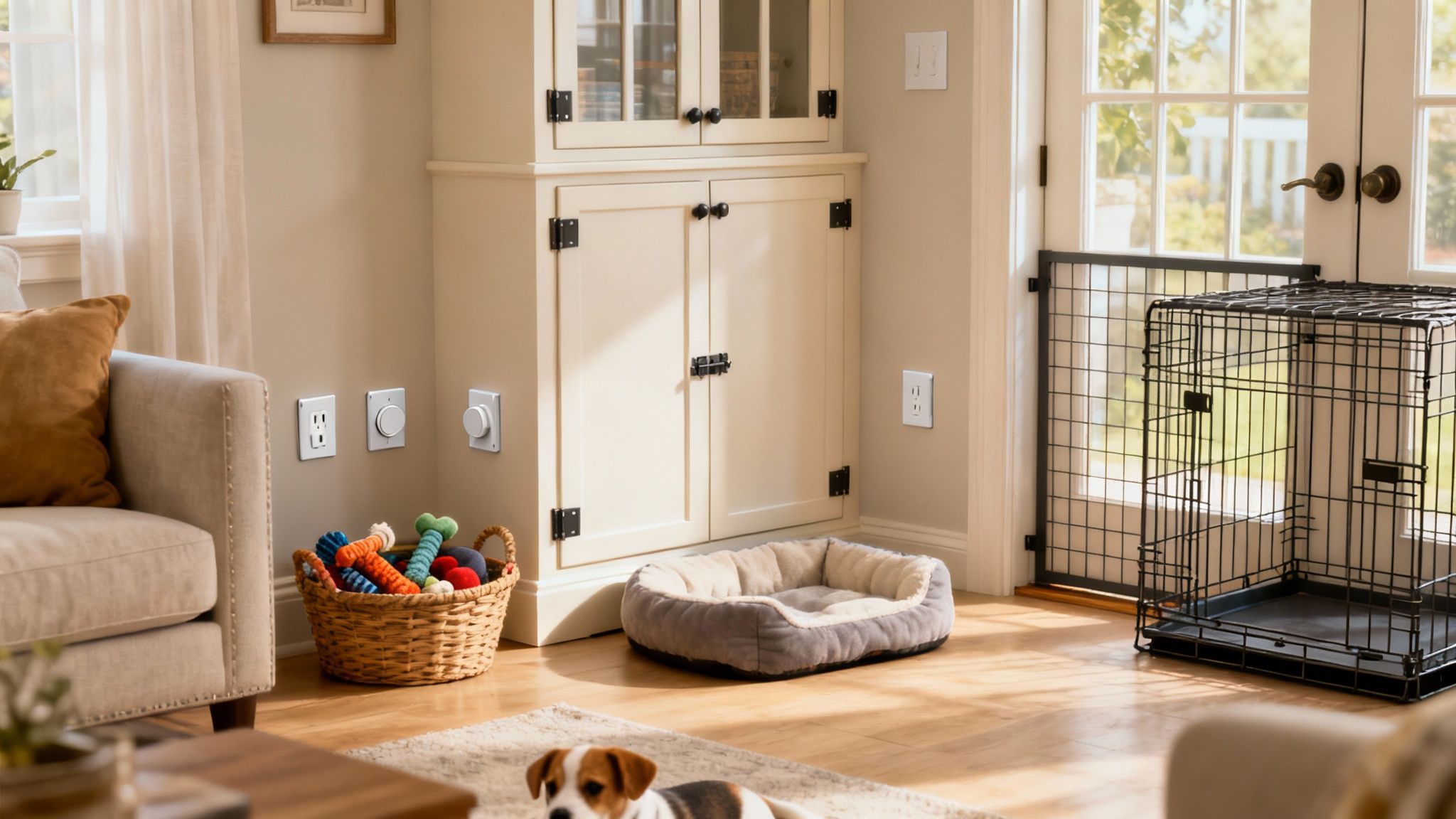
This goes beyond just buying a cute dog bed. It's about creating an environment that helps your new companion feel safe and secure from the moment they step through the door. Think of it as nesting, but for a four-legged family member. Let's get your home ready.
Creating a Safe Space
Before your dog arrives, try to see your home from their point of view—down on the floor, where everything looks like a potential chew toy. This step, often called puppy-proofing, is essential for dogs of all ages, not just the little ones.
A curious dog can find trouble in the blink of an eye. Start by securing these common hazards:
- Tuck away electrical cords: They look a lot like chew ropes to a dog. Use cord concealers or secure them against the wall.
- Secure your trash cans: The smells are irresistible, but the contents can lead to a seriously upset stomach. Grab cans with lids that lock or close securely.
- Check your houseplants: Many common plants are surprisingly toxic to dogs. We always recommend checking the ASPCA's list and moving anything questionable to a high shelf or another room.
- Lock up chemicals: Cleaning supplies, antifreeze, and medications need to be stored in high cabinets or behind child-proof locks.
Think of this as your first big act of dog ownership. By removing these temptations, you're setting your new dog up for success and preventing accidents before they even have a chance to happen.
Gathering Your Essential Supplies
Alright, time for a shopping trip! Walking into a pet store can be a bit overwhelming with all the options, but you really only need a few key items to get started. Focus on the basics first; you can always go back for the fun stuff later.
Here’s your initial shopping list:
- A Crate or Kennel: This isn't a "cage" but a personal den for your dog. It's a fantastic tool for potty training and gives them a safe spot to retreat to when they need some downtime.
- A Comfortable Bed: Place a soft, washable bed inside their crate or in a quiet corner of the living room where the family hangs out.
- Food and Water Bowls: Stainless steel or ceramic bowls are your best bet. They're durable and much easier to keep clean than plastic.
- High-Quality Dog Food: Find out what the shelter or breeder has been feeding them. It's best to stick with that brand initially to avoid tummy trouble and then slowly transition them to a new food if you choose.
- Collar/Harness and Leash: Make sure the collar has an ID tag with your contact info on it from day one. Seriously, don't wait on this.
- A Few Good Toys: Grab a mix to see what they like. A durable chew toy (like a KONG), a soft plush toy, and a classic ball are a great starting lineup.
Your goal for the first few days is to create a calm, predictable environment. Having all these supplies ready means you can focus entirely on helping your new dog settle in, not making frantic, last-minute runs to the store.
The First Few Days and Building a Routine
The first 48 hours with your new dog are all about letting them decompress. They’re in a new place with new people, so they'll likely be a mix of excited, nervous, and totally overwhelmed. Your job is to be their calm, reassuring rock.
Start a simple routine right away. Dogs thrive on predictability; it helps them feel secure. Consistent times for meals, potty breaks, walks, and bedtime will help them learn the ropes of their new life much faster.
Most importantly, be patient. Building a bond and earning trust takes time. Focus on positive reinforcement—lots of praise and tasty treats for good behavior. Before you know it, your house will truly feel like a home… for both of you.
A Few Common Questions About Picking a Dog
You've got questions, we've got answers. Let's tackle some of the most common things people ask when they're trying to find the right dog. These are the quick, honest answers from the SetterFren community to help you clear up any final doubts.
How Do I Know If I’m Really Ready for a Dog?
This is the big one, isn't it? The most important question of all. Being honest with yourself is everything here. You're ready for a dog if you have the time, financial stability, and emotional bandwidth to provide a safe, loving home for the next 10-15 years.
Take a hard look at your actual schedule. Can you really commit to daily walks, playtime, and training, even on days when you're exhausted or it's pouring rain? A dog isn't a hobby you can pause when life gets busy. Being ready means truly accepting that your lifestyle is about to change and being excited about that new routine.
Should I Get a Puppy or an Adult Dog?
This really comes down to your personal lifestyle and what you’re looking for in a companion. Puppies are a whirlwind of cute, but they're also a monumental amount of work. Think constant supervision, potty training accidents, and socializing them from square one. It’s basically like having a furry toddler who has a deep passion for chewing on your furniture.
Adopting an adult dog, on the other hand, means you're often getting a friend whose personality is already baked in. Many are already house-trained and know basic commands. You’re giving a fantastic animal a second chance at a happy life, and they tend to repay that kindness with a whole lot of love.
The right choice isn’t about age; it’s about what fits your life. A puppy is great for a home with tons of time and patience for training from the ground up. An adult dog is perfect for someone who'd prefer a more settled companion right from the start.
Does a Dog's Gender Really Matter?
Honestly, this is one of the biggest myths floating around the dog world. There's no scientific proof that male or female dogs are automatically better companions, easier to train, or less aggressive. You'll hear a lot of stories and opinions, but they just aren't backed by real data.
What matters way more than gender?
- Individual Temperament: Every single dog has its own unique personality, shaped by genetics and its life so far.
- Early Socialization: How a dog was exposed to new sights, sounds, and other animals in its early months is a huge deal.
- Consistent Training: Good, positive training builds a confident, well-behaved dog, no matter if it's a boy or a girl.
Forget the old stereotypes and focus on the individual dog's personality and how it clicks with yours. A good shelter or a reputable breeder will be your best resource for matching you with a dog based on temperament.
What If I Already Have a Dog at Home?
This is a big step! Bringing a second dog home requires a bit of strategy. The number one thing to think about is your current dog’s personality and what kind of friend would actually make their life better.
If your dog is a boundless ball of energy, a quiet senior dog might just get annoyed. On the flip side, if your resident pup is calm and gentle, a wild puppy might be completely overwhelming. Watch how your dog acts with other dogs at the park or on walks—it’ll give you clues. And always, always set up a supervised meet-and-greet on neutral ground before you make a final decision. You have to see if the chemistry is there!
Bringing a dog into your life is an amazing journey, full of love, laughs, and maybe a few chewed-up shoes. At SetterFren, we're here to help you every step of the way. Check out our curated books, honest product reviews, and practical guides to help you and your new best friend build an incredible life together. Join our Puppychino Club at https://setterfren.com and follow the fun with our growing pack @setterfrens on TikTok and Instagram