Your dog’s been scooting a little more than usual. The poop bag reveals something soft, odd-smelling, or hard to pick up. Maybe your pup’s ears keep getting yeasty, their skin seems itchy for no clear reason, or they’ve turned into a gassy little fog machine after dinner. Most of us start by looking at the obvious problem. We change treats, blame the weather, or hope it passes.
A lot of the time, the gut is part of the story.
If you’ve been wondering how to improve dog gut health without getting buried in science-speak, you’re in the right place. Think of this as a cozy, well-marked guide for fellow dog people. We’ll keep it practical, gentle, and realistic, with a special nod to dogs who may need a more personalized plan, including sensitive breeds like Setters.
Reading the Signs of an Unhappy Gut
Your dog wolfs down breakfast, then spends the afternoon licking her paws, asking to go out twice, and leaving a stool that is softer than usual. Nothing looks dramatic on its own. Together, though, those small changes can point to a gut that is struggling.
That is what makes gut issues easy to miss. The digestive system works like the house foundation. When it is irritated, the wobble can show up in places that seem unrelated at first, including the skin, ears, energy level, and mood.
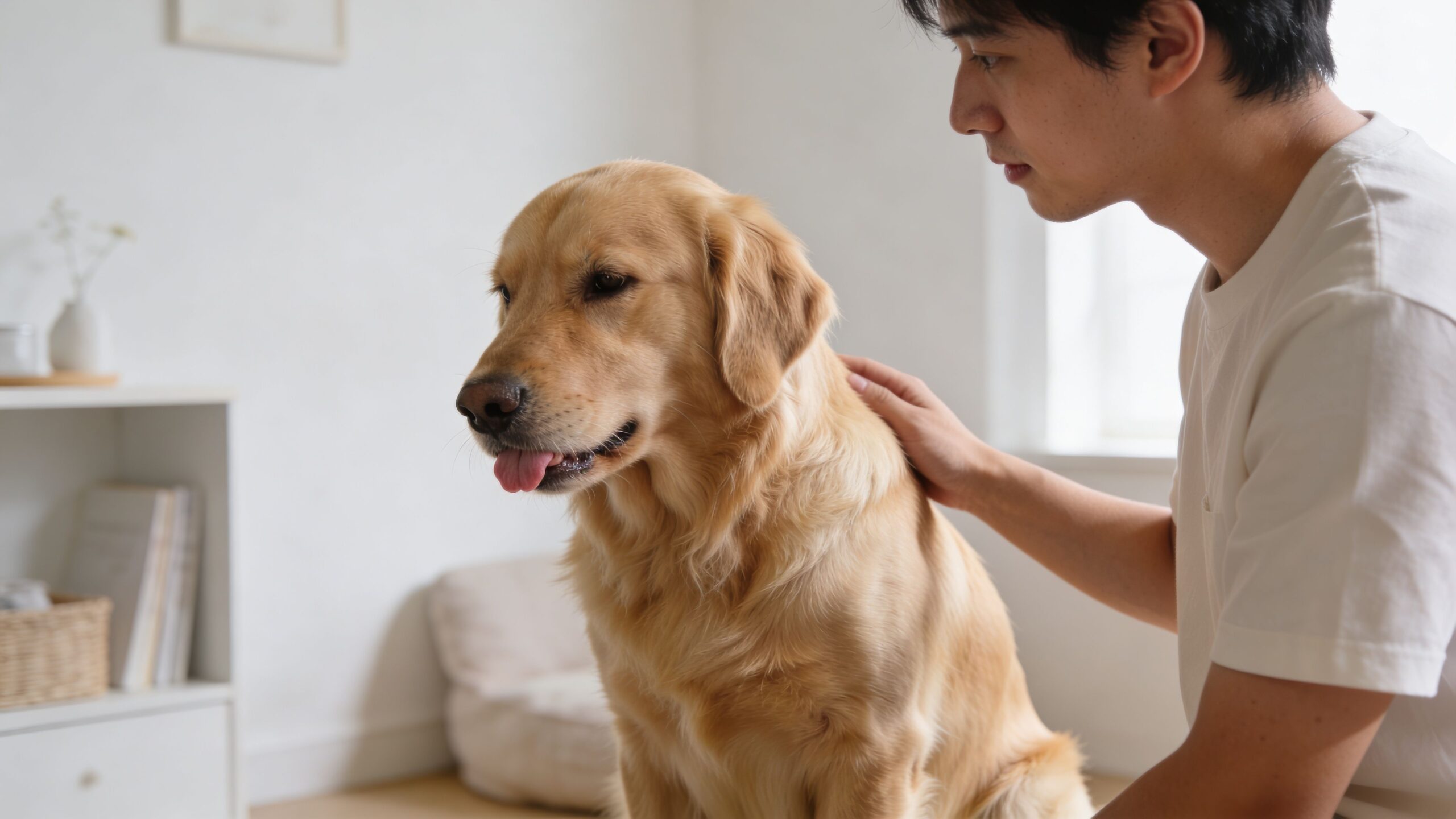
The clues many dog parents miss
Dogs do not always give us a tidy, textbook sign. Many start with a pattern of little clues.
You might notice itchy skin that keeps circling back, ears that smell yeasty, more paw licking than usual, stools that change from day to day, extra gas, or a dog who seems a bit flat and uncomfortable after meals. Some dogs also get clingier or more restless. Ongoing discomfort can change behavior just as much as it changes poop.
Setters deserve a gentle mention here. Many are active, sensitive dogs who can burn through routine changes, rich treats, travel, and training stress in a very obvious way. A sporting dog with a busy schedule may show gut strain sooner than a couch-loving pup because there is more physical and emotional stimulation in the mix. Breed does not decide everything, but it can shape what “off” looks like.
If you want a human-health comparison that helps connect the dots, Yuve’s guide to 8 Unmistakable Signs of an Unhealthy Gut is a helpful read. Dogs are not people, of course, but the broader lesson holds up well. Gut imbalance often affects more than digestion alone.
A useful rule is simple. Do not overreact to one odd day. Pay attention to repeat patterns over two or three weeks.
What healthy poop actually looks like
Yes, we are going to talk about poop like the thoughtful dog nerds we are.
Stool is one of the clearest daily clues you get at home. Healthy stool is usually medium brown, formed like a log, easy to pick up, and passed on a fairly predictable schedule. It should hold its shape without being dry, crumbly, or leaving a smear on the grass.
A single off stool can happen after stress, a stolen snack, or a sudden treat. Repeated changes matter more. Soft stool every few days, mucus, straining, very foul odor, or a pattern of “first poop normal, second poop sloppy” deserves a closer look because it suggests the gut is not settling well between meals and fermentation is getting messy.
One practical tip helps here. Keep a quick poop journal on your phone for a couple of weeks. Color, shape, ease of pickup, frequency, and anything unusual after treats or stressful days can reveal patterns that are hard to remember later.
Signs that call for closer attention
Some symptoms are subtle. Others should move you from watchful waiting to action.
Watch for:
- Loose stools that keep returning
- Constipation or straining
- Vomiting
- Mucus in stool
- A clear drop in appetite
- Discomfort after meals
- Weight loss you did not plan for
- Low energy that lasts more than a day or two
Recurring digestive trouble can reflect food intolerance, stress, parasites, inflammatory disease, medication effects, or a microbiome that is out of balance. That is one reason I like a more personalized approach instead of random supplement hopping. For some dogs, especially sensitive breeds or dogs with a long history of stomach drama, at-home microbiome testing kits can add useful context. They are not a substitute for your vet, but they can help you spot patterns in gut bacteria and ask better questions at your appointment.
A simple symptom checklist
If you like tracking things in a notebook, this is a good place to start:
| Sign | What to watch for |
|---|---|
| Stool quality | Too soft, too hard, frequent changes, strong odor |
| Skin and ears | Itching, redness, yeasty smell, repeat flare-ups |
| Energy | Less enthusiasm for walks, naps more than usual |
| Appetite | Sudden pickiness, reluctance to eat, gulping grass |
| Behavior | Restlessness, clinginess, irritability, seeming uncomfortable |
A complete picture usually emerges from the cluster, not a single symptom. A dog with mild itchiness, soft stools, and extra gas gives you a clearer gut-health picture than a dog with one random itchy afternoon.
Building a Gut-Friendly Diet from the Bowl Up
Dinner lands in the bowl, your dog eats with gusto, and an hour later you are cleaning up gas, hearing stomach gurgles, or second-guessing the treat you offered at lunch. That is often the moment gut health stops feeling abstract. It becomes a food question.
The bowl is where many gut problems calm down or flare up. A gut-friendly diet gives the digestive system steady, predictable inputs so the microbiome has a chance to rebalance. I like to break it into three parts. Digestible protein, the right kind of fiber, and enough routine to keep the gut from getting whiplash.

Why the base diet shapes the whole gut picture
Food does more than fill the stomach. It also feeds the community of microbes living farther down the digestive tract. If the bowl is heavy on ingredients your dog struggles to process, the gut can stay irritated even if you add helpful extras.
That does not mean there is one perfect menu for every dog. It means composition matters. Some dogs do well on carefully formulated kibble. Some do better on fresh food. Some sensitive dogs, including plenty of Setters with tender stomachs and dramatic opinions about dinner, need a simpler ingredient list and slower changes than the average dog at the park.
This is also where personalization helps. If your dog has ongoing gut issues and you feel stuck between "try pumpkin" and "change the food again," at-home microbiome testing kits can add another layer of context. They cannot diagnose disease, but they can help you and your vet spot patterns and choose diet changes with more intention.
Start with protein your dog handles well
Protein is the main building material in the bowl, but richer is not always better. For a dog with an unsettled gut, the goal is usually a protein source that is easy to digest and already has a decent track record with that dog.
A practical starting point looks like this:
- For kibble feeders: Choose a food with clearly named animal proteins near the top of the ingredient list.
- For fresh feeders: Keep the recipe simple while the gut is irritated.
- For sensitive dogs: Leaner proteins are often easier on the stomach than very fatty meals.
Turkey, chicken, herring, and salmon are common examples, but the best protein is the one your own dog digests comfortably. If your Setter gets loose stools every time you try a richer beef recipe, that matters more than what worked for someone else’s Labrador.
Change one variable at a time. One new protein is an experiment. Three new proteins, a topper, and a treat swap is chaos.
Fiber feeds the microbes, if you choose it carefully
Fiber confuses people because it can help and irritate at the same time. The difference is usually the type, amount, and speed of introduction.
A simple way to picture it is this. Protein feeds the dog first. Fiber also feeds the bacteria that live in the colon. Give too little, and that microbial garden gets sparse. Give too much too fast, and you may get bloating, extra stool, or a very offended dog.
Useful options include:
- Pumpkin puree for gentle stool support
- Psyllium husk in small, careful amounts
- Dog-safe vegetables that are cooked or prepared so they are easier to digest
- Prebiotic fibers such as inulin, MOS, and FOS, which help nourish beneficial microbes
If you want a plain-English refresher on understanding gut microbiome, prebiotics, and probiotics, that guide is a helpful primer before you start adding things at random.
One small note here. Fiber is not a contest. More is not automatically better.
Fermented foods can be useful, but they are optional
Some dogs do nicely with a tiny amount of plain kefir or plain yogurt. These foods can introduce beneficial microbes and can fit a food-first approach for dogs who tolerate dairy well.
The guardrails matter:
- Use plain, unsweetened products
- Start with a very small amount
- Stop if stools get looser or gas gets worse
- Avoid flavored products and anything with sweeteners
If your dog gets messy stools from even a spoonful, skip it. A fermented add-in is a tool, not a requirement.
What to limit if the gut already seems touchy
A long ingredient list is not always a problem, but it can make detective work harder. If your dog has recurring digestive upset, I usually look for foods that are easier to read and easier to troubleshoot.
Here is the quick label-check I use:
| Look for more of | Be cautious with |
|---|---|
| Named animal proteins | Heavy carbohydrate filler loads |
| Straightforward ingredient lists | Artificial colors or additives |
| Ingredients your dog has handled well before | Foods linked with repeat flare-ups |
This is especially helpful for dogs who have both gut and skin issues. Sometimes the bowl irritates both, though not always obviously.
Change food slowly enough for the gut to keep up
A lot of stomach drama starts with a reasonable food change done too fast. The digestive system needs time to adjust, and the microbiome does too.
A gentle transition often works well over about a week or a little longer:
- Keep most of the current food in place
- Add a small amount of the new food
- Watch stool, appetite, and gas
- Increase gradually if your dog stays stable
For very sensitive dogs, slower is usually kinder. If your Setter has a history of stress colitis, loose stool after excitement, or a stomach that seems to notice every tiny routine change, stretching the transition out longer can save you both a lot of trouble.
A simple bowl-building example
If I were helping a friend settle a mildly unhappy gut, I would keep the bowl boring on purpose for a couple of weeks.
- Main food: A protein-forward diet your dog already tolerates reasonably well
- Add-in: A small amount of pumpkin, if it helps stool quality
- Hydration support: Extra water or dog-safe broth mixed into meals
- Optional extra: A tiny spoon of plain kefir only if your dog handles it well
- Routine: Meals at the same times each day
That kind of steady rhythm often helps more than constant tinkering. Dogs, and especially many sensitive sporting breeds, tend to do better when the bowl stops changing long enough for the gut to catch its breath.
A Practical Guide to Probiotics Prebiotics and Supplements
You stand in the pet store aisle, reading three probiotic labels in a row, and somehow feel less certain with each bottle.
That reaction makes sense. Gut supplements are often sold as if one scoop fixes everything, but a dog’s gut works more like a garden than a light switch. Probiotics add helpful microbes. Prebiotics feed those microbes so they have a chance to stay and do useful work. Supplements can help, but only when the product matches the dog in front of you.
That last part matters for sensitive breeds. Many Setters seem to have a talent for combining enthusiasm, stress, and delicate digestion into one beautiful feathery package. A supplement that suits one dog perfectly may leave another gassy, itchy, or completely unchanged. If your dog has recurring tummy issues, modern at-home microbiome testing kits can add another layer of personalization by showing broad patterns in gut balance, rather than relying on guesswork alone.

What probiotics can actually do
Research in dogs suggests that certain probiotics may support better stool quality and a steadier gut environment. Some strain-specific studies have also found shifts in fecal bacteria and digestion markers. In plain English, the right probiotic can be useful after digestive upset, during recovery after medication, or for dogs who tend to swing between normal stool and “what happened in the yard?” days.
The word right is doing a lot of work there.
Probiotics are strain-specific, which means two products can both say “contains probiotics” and still behave very differently. That is why labels matter. It is also why one friend swears by a powder that did nothing for your dog.
What to look for on a label
A useful label gives you enough detail to judge what you are buying, not just enough marketing to feel hopeful.
Here’s the checklist I use:
- Named strains: Look for full names, not just “probiotic blend”
- Dog-specific use: Products designed for canine digestion are easier to compare
- Clear dosing instructions: The amount should match your dog’s size or weight
- Storage guidance: Heat, moisture, and time can affect how well a product holds up
- Expiration date: Live organisms are only helpful if they are still viable
You may also notice familiar groups like Lactobacillus and Bifidobacterium on canine gut products. Those names are worth recognizing because they show up often in products aimed at dogs with loose stool or a disrupted microbiome.
For a clean, easy explainer that helps connect the basics, I like this overview on understanding gut microbiome, prebiotics, and probiotics from ImuPro Australia. It’s useful when the terms start sounding too similar.
Prebiotics are usually quieter, but they matter
If probiotics are the new helpers, prebiotics are the pantry.
Without enough fuel, beneficial microbes may not stick around for long. Prebiotics are typically fibers or fiber-like compounds that help nourish the bacteria you want more of. Common examples in dog gut products include:
- Inulin
- MOS
- FOS
- Psyllium husk
Many well-meaning dog parents accidentally overdo it. A large scoop of fiber on day one can create gas, bloating, or looser stool, especially in sensitive dogs. Setters and other active, stress-prone dogs often do better with a slow introduction and a few calm days of observation before you increase the amount.
A good rule is simple. Change one thing at a time.
Kitchen note: If a new supplement leads to more gas, softer stool, or obvious discomfort, the dose may be too high, the change may have happened too quickly, or the product may simply be a poor fit for your dog.
Food-based options that fit real life
You do not always need an elaborate supplement routine. Sometimes the gentlest support comes from simple add-ins that are easy to measure and easy to stop if they do not agree with your dog.
A few practical options:
- Plain kefir or plain yogurt: Useful for dogs that tolerate dairy well
- Pumpkin puree: A simple fiber add-in for some dogs
- Bone broth: Helps with hydration and meal appeal
- A measured prebiotic supplement: Helpful when you want consistency day to day
The key is restraint. Adding kefir, pumpkin, broth, a probiotic chew, and a fiber powder all in the same week makes it almost impossible to tell what helped and what caused trouble.
Here’s a video that gives another practical look at dog gut support and supplement thinking:
Two easy homemade gut boosters
These are gentle helpers, not miracle fixes.
Kefir topper
Stir a small spoonful of plain, unsweetened kefir into your dog’s regular meal. Start with a very small amount, especially if fermented dairy is new for your dog. Then watch stool quality, gas, and comfort for several days before adjusting.
Warm gut gravy
Mix dog-safe bone broth into food to soften dry meals and add moisture. If your dog already does well with pumpkin, you can add a small spoonful for extra fiber support.
Both options are best for mild support, not for dogs with ongoing vomiting, blood in stool, weight loss, or severe diarrhea. In those cases, your vet should guide the plan, and a targeted supplement choice may make more sense than a kitchen experiment.
The Four-Step Framework for Natural Gut Restoration
Sometimes a dog’s gut needs more than a small tweak. After antibiotics, a stomach bug, stress, or a stretch of recurring loose stool, it helps to use a simple sequence instead of guessing. A practical gut restoration model often follows four moves: Remove, Add, Feed, Rebalance.
This framework appears in dog gut guidance summarized from My Pet Nutritionist and related practical sources. It’s memorable because each step has a job.
Remove what keeps feeding the problem
The first step is reducing what may be making the imbalance worse. In the verified data, this means shifting toward a high-protein diet and away from foods that keep feeding less helpful gut activity.
For some dogs, that means replacing a carb-heavy food. For others, it means cleaning up the extras. The random biscuit from the groomer, the chewy with a long ingredient list, the table scraps that “shouldn’t matter” all add up fast in a sensitive dog.
Add back beneficial bacteria
Once the bowl is calmer, then it makes sense to add help. The verified data notes that antibiotic use can drop diversity by 30 to 50%, and that targeted probiotics or fermented foods can help refill that gap as part of the four-step gut restoration method from My Pet Nutritionist.
Dog parents often rush to add products. More isn’t always better. One carefully chosen product is easier to judge than a pile of powders.
Feed the microbes you want to keep
Good bacteria need food too. In this framework, that means adding prebiotics after you’ve started calming the diet and introducing beneficial bacteria.
A few practical examples already discussed fit here well:
- FOS
- Psyllium husk
- Prebiotic fibers included in dog supplements
- Food-based fiber that your dog reliably tolerates
If you enjoy broader wellness reading, this piece on how to improve gut health naturally from Atelier Silente offers a simple reminder that restoring balance usually comes from habits, not one miracle product.
Recovery tends to go better when you resist the urge to change everything in one weekend.
Rebalance for the long haul
The last step is about restoring a more complete ecosystem. In the verified data, this includes fecal microbiota transplantation, or FMT, which is described as having 80 to 90% success rates in chronic cases, outperforming probiotics alone in that source summary. Because FMT involves reseeding the gut more broadly, it belongs under veterinary guidance.
That step won’t apply to every dog. But it matters to know it exists, especially for dogs with chronic dysbiosis that keeps circling back.
A useful way to think about the whole framework is this:
| Step | Main purpose |
|---|---|
| Remove | Lower dietary and environmental pressure on the gut |
| Add | Introduce helpful microbes |
| Feed | Give those microbes the fibers they need |
| Rebalance | Restore a healthier ecosystem over time |
For mild cases, the first three steps may be enough. For chronic or stubborn cases, your vet may help you consider the fourth.
Monitoring Progress and Knowing When to Call the Vet
Once you’ve made changes, the next question is the one every careful dog parent asks. Is this working, or am I just hoping it’s working?
You’ll usually get the earliest answers from daily observation. Stool quality tends to change first. Energy, coat condition, appetite, and comfort often follow.

What improvement looks like
Good progress is usually boring. That’s a compliment.
Look for changes like:
- Stool becomes more consistent
- Gas decreases
- Your dog seems more comfortable after meals
- Appetite normalizes
- Skin and ears become less reactive over time
- Energy feels steadier
Write it down if you can. A notes app works fine. Record the food, supplements, poop quality, and anything unusual. Memory gets fuzzy quickly when you’re three weeks into troubleshooting.
When testing can help
At-home microbiome testing is one of the more interesting new tools in this space. Verified data tied to AnimalBiome notes that 2025 data from that platform showed 40% of tested dogs had low diversity post-antibiotics, and that personalized plans led to 30% faster stool normalization compared with generic approaches, according to AnimalBiome’s dog gut restoration guidance.
That kind of testing can be useful if:
- Your dog had antibiotics and never quite bounced back
- You’ve tried basic diet changes without clear results
- You want a baseline before adding more supplements
- You’re dealing with repeat issues and want more personalized direction
Testing doesn’t replace a veterinarian, but it can reduce guesswork.
Breed differences matter more than many guides admit
This is especially relevant for dogs who don’t fit generic advice neatly. Verified data points to an under-discussed issue here. Breeds like Irish Setters can have different microbiome profiles due to selective breeding, which may shape digestive sensitivity. The same verified summary also notes that recent veterinary analyses suggest some breed groups may respond better to more specific interventions than broad, one-size-fits-all probiotics.
For Setter people, that’s a helpful reminder. If standard advice keeps failing, the problem may not be that you’re doing it “wrong.” Your dog may need a more individualized plan.
Some dogs don’t need more products. They need more precise decisions.
Call the vet when these red flags show up
Home support is great for mild issues and routine maintenance. It is not the right lane for every problem.
Contact your vet if your dog has:
- Persistent diarrhea
- Repeated vomiting
- Blood in the stool
- Pain, bloating, or signs of distress
- A major appetite change
- Worsening lethargy
- Symptoms that keep returning despite careful changes
If your dog seems acutely unwell, skip the online rabbit hole and make the call. Gut issues can slide from “annoying” to “urgent” faster than many people expect.
A Lifetime of Wagging Tails and Happy Tummies
A dog with a settled stomach often looks wonderfully ordinary. Good appetite. Steady energy. Predictable poop. Quiet comfort after meals. That kind of normal is something we build, little by little, through attention and consistency.
Gut health usually improves the same way a good library grows. One thoughtful choice at a time. A food that suits your dog. A routine their body can rely on. Careful changes instead of constant tinkering. Over time, those choices add up to a digestive system that feels calmer and works with less drama.
That is the heart of this whole guide. Watch closely, make changes slowly, and let your dog’s response guide the plan. Modern tools can help you get a clearer picture, but the daily habits still matter most.
Progress can be quiet.
Sometimes it shows up as firmer stools, a softer belly, better breath, or a dog who seems more comfortable in their own skin. Sometimes it means fewer setbacks and less second-guessing for you. Both count.
Keep the goal simple. You are not chasing a perfect dog or a perfect feeding routine. You are building a steady, supportive rhythm that helps your dog feel good for the long haul.
If you love thoughtful dog care, cozy stories, and practical tips for everyday life with your pup, take a peek at Setterfrens LLC. You’ll find a warm mix of dog-loving resources, books, merch, and community fun designed for readers who believe life is better with a wagging tail nearby.