Welcome to the SetterFrens family! We're a cozy online community built for dog lovers who believe life’s better with a wagging tail and a good book. Getting a new puppy is one of life’s great joys, and the training journey you're about to start is a huge part of building that incredible bond. We know you want to get it right.
So, what’s the secret weapon for successful puppy training? It’s all about the treats. The best ones are small, soft, low in calories, and, most importantly, something your puppy goes absolutely wild for.
Think of these treats as your puppy's paycheck. If you do a great job at work, you want a bonus that feels exciting, not just your standard salary. The right treat is that exciting bonus that keeps your little one focused, motivated, and eager to learn what you’re teaching them.
Your Quick Guide To The Best Puppy Training Treats
When you bring home that fluffy bundle of joy, the world of puppy products can feel a little overwhelming. At SetterFrens, we’re all about making life with your dog simpler and sweeter, and that starts with our honest reviews and practical how-to guides to help you care for your pup like a pro.
We’re here to help you cut through the noise and find the perfect training treats that will make your sessions fun and effective.
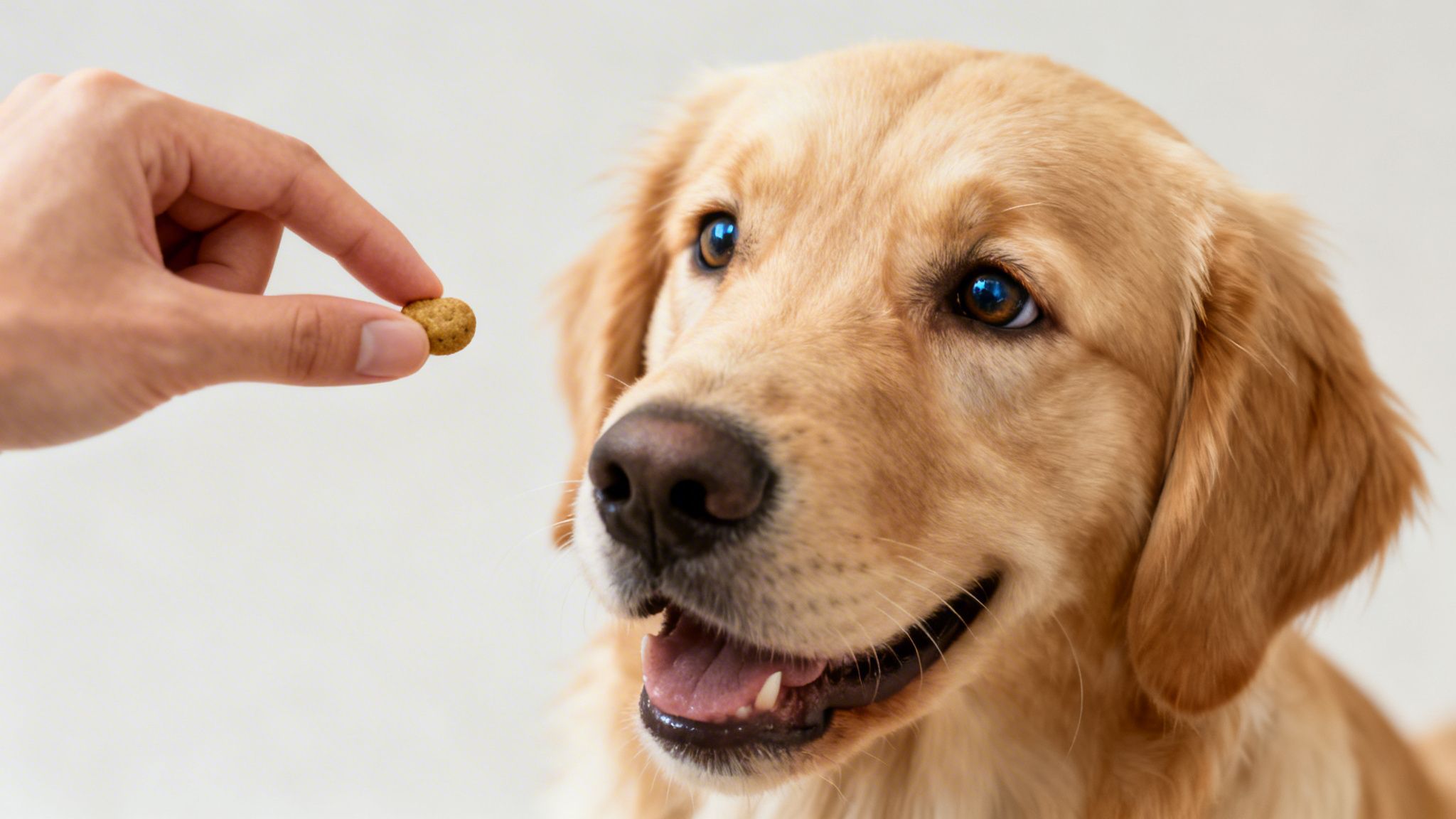
As fellow dog people, we get it. You want the absolute best for your new best friend. Let's walk through what really matters, so you can feel confident every time you reach for that treat pouch.
What To Look For In A Puppy Treat
Walking down the pet food aisle can be dizzying. Bags and boxes all screaming for your attention! But once you know what to look for, it’s easy to spot the good stuff. The goal is simple: find a reward that keeps your pup engaged without packing on extra pounds or spoiling their dinner.
Before we get into the specifics, let's talk about the most important guideline I share with every new puppy parent.
The 10% Rule: This is the golden rule of treating. To keep your puppy healthy and growing properly, treats should never make up more than 10% of their total daily calories. This ensures their main nutrition always comes from their complete-and-balanced puppy food.
With that in mind, here’s a quick summary of what to look for when you're shopping.
Quick-Check for Top Puppy Training Treats
This little table is your cheat sheet for the pet store. Use it to quickly vet any bag of treats and see if it’s right for your training sessions.
| Key Feature | Why It Matters | What to Look For |
|---|---|---|
| Small Size | Lets you give lots of rewards without overfeeding. You want training to be fast-paced, not interrupted by a long chew. | Pea-sized or smaller is perfect. Look for treats that are easy to break into even smaller bits. |
| Soft Texture | Your puppy can eat it in a split second and immediately be ready for the next command. No distractions! | Chewy, semi-moist, or freeze-dried options are fantastic. Avoid hard, crunchy biscuits for rapid-fire training. |
| High Value | It needs to be exciting! A smelly, delicious treat holds your puppy’s attention way better than something bland. | Real meat (like chicken, beef, or salmon) listed as the first ingredient is a great sign. |
| Low Calorie | You’ll be giving a lot of treats, so the calories can add up fast. Keeping them low prevents unhealthy weight gain. | Aim for under 5 calories per treat. Many training-specific treats are just 1-3 calories. |
Focusing on these four things will help you make a great choice every time. You’ll be well on your way to raising a happy, well-behaved companion.
Happy training, from your friends at SetterFrens.
What Makes a Training Treat Actually Work?
Let's be honest: not all treats are created equal in a puppy's eyes. That dry, bland biscuit you have might get you a "sit" in a quiet room, but it stands zero chance against the magnetic pull of a squirrel darting across the lawn. The secret to unlocking your puppy's focus is understanding what makes a treat truly motivating for them.
Think of yourself as the manager of your puppy’s very own "treat economy." Their daily kibble is their base salary—it covers the essentials. But training treats? Those are the performance bonuses. You wouldn’t hand out a massive bonus just for showing up, right? By the same token, you have to make sure the reward matches the effort.
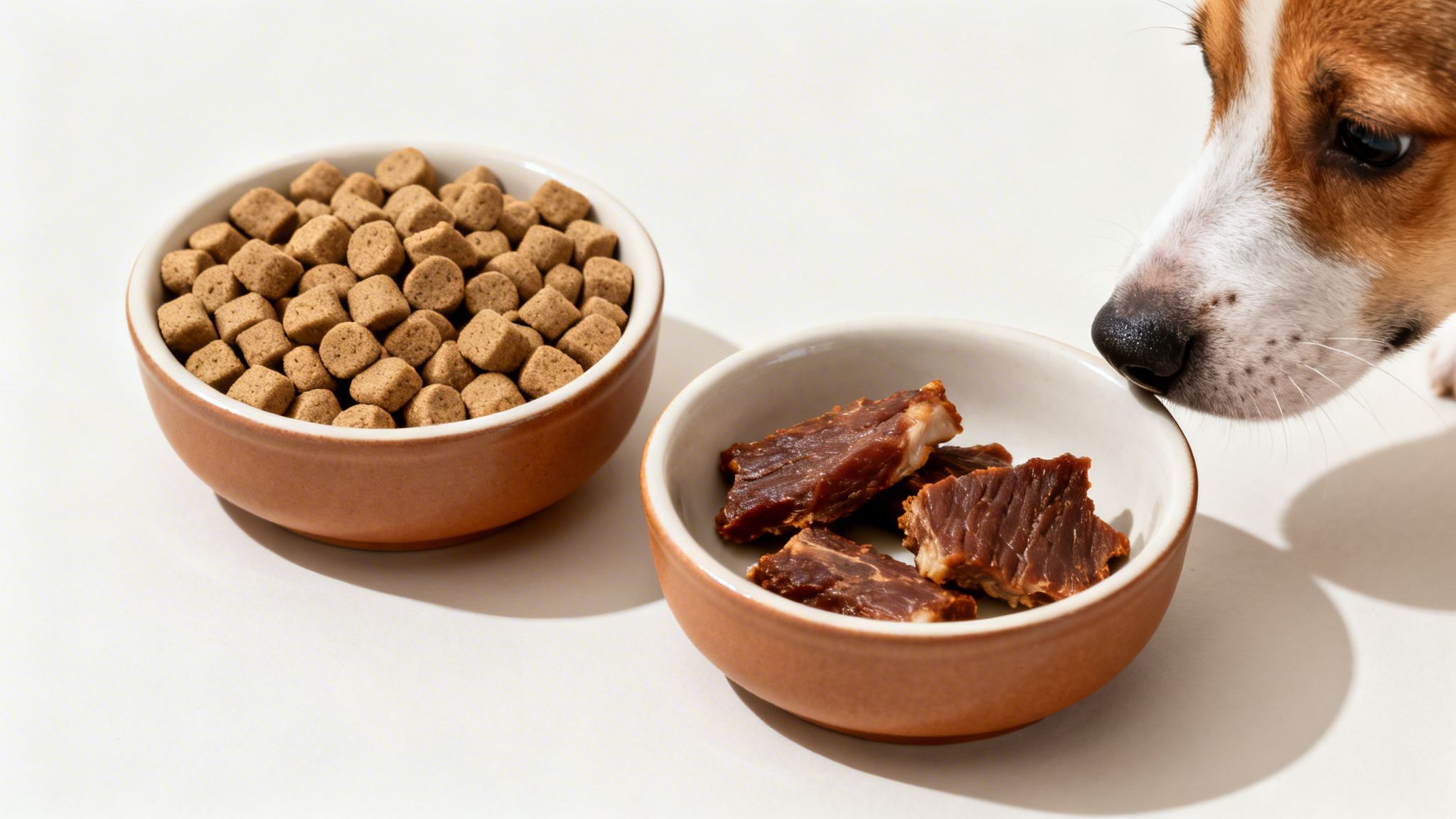
Mastering Your Puppy's Treat Economy
A smart treat economy isn’t about being stingy; it’s about being strategic. The goal is to keep your puppy engaged, focused, and ready for the next cue without breaking the flow of your training session.
So, what does this look like in practice? It’s all about finding treats that are quick, exciting, and healthy.
Choosing the right training treat can feel overwhelming, but it boils down to a few key characteristics. This table gives you a quick snapshot of what to look for on the package or when you're making your own.
Key Features of Effective Puppy Training Treats
| Feature | Why It's Important for Training | Look For |
|---|---|---|
| Tiny Size | Allows for many repetitions in one session without overfeeding. Prevents your puppy from getting full too quickly. | Pea-sized or smaller. Treats that can be easily broken into tiny pieces. |
| Soft & Chewy | Quick to eat! Your pup swallows it in a second and is immediately ready for the next command, keeping the training momentum going. | Soft-baked treats, freeze-dried meats, or tender jerky-style bites. |
| Low-Calorie | Prevents unhealthy weight gain, especially with the high number of treats used in training. | Treats with just 1-3 calories each. Read the label carefully. |
| High Value (Smelly!) | A strong, enticing aroma grabs your puppy’s attention, even in distracting environments. | Treats made with real meat like liver, salmon, or chicken. |
Thinking this way about rewards is a core part of modern, positive training methods. More and more, owners are seeing the power of building a strong bond through effective, reward-based training.
High-Value Treats: Your Secret Weapon for Big Wins
While those tiny, soft treats are your daily go-to, you also need something extra special in your toolkit. These are your "high-value" treats—the irresistibly smelly, super-delicious rewards you save for major breakthroughs.
A high-value treat is what you pull out to teach a life-saving "come" command or to help your puppy work through something scary. It needs to be so amazing that your puppy thinks, "Wow, dropping that fascinating stick to run back to my human is TOTALLY worth it!"
Here’s a simple way to think about your treat tiers:
- Low-Value: Your puppy’s regular kibble. Perfect for reinforcing skills they already know well in a low-distraction setting.
- Mid-Value: Small, soft, smelly commercial training treats. These are your workhorses for practicing new skills every day.
- High-Value: Freeze-dried liver, tiny pieces of plain boiled chicken, or small cubes of cheese. Save these for huge achievements and challenging situations.
By using this tiered system, you're teaching your puppy that paying attention to you is always a good deal, but extra focus brings an extra special payday. It’s a fundamental part of making training fun and effective. To really get a handle on this approach, take a look at our guide explaining what positive reinforcement training is and how it works. Armed with that knowledge, you can turn any training moment into a joyful bonding experience.
How to Read Treat Labels Like a Pro
Your puppy’s health is built one small bite at a time, and that includes every training treat they gobble up. It can feel a little overwhelming standing in the pet food aisle, but learning to read a treat label is your superpower. Let's break down how to spot the good stuff and sidestep the junk.
Think of an ingredient list like a team roster—the most important players are always listed first. You're looking for whole, recognizable foods right at the top.
Spot the Good Stuff First
When you grab a bag of treats, your eyes should go straight to the first few ingredients. The goal is to find a single, clearly named protein source leading the charge. That’s your first clue you’re holding a good-quality treat.
You want to see words like:
- Chicken: A fantastic, lean protein most puppies go wild for.
- Beef or Lamb: Great sources of the essential amino acids growing bodies need.
- Salmon: Packed with omega-3 fatty acids for a shiny coat and healthy brain development.
When a real protein is listed first, it means the treat is built on a solid foundation, not cheap fillers. This is the same principle we apply when choosing their main meals, which we dive into in our guide to the best dog food for puppies.
Ingredients to Avoid on the Label
Just as crucial as knowing what to look for is knowing what to run from. Lots of commercial treats are loaded with fillers, mysterious additives, and artificial ingredients that do nothing for your pup and can even cause an upset stomach.
When you're scanning a label, a shorter, simpler ingredient list is almost always better. If you can't pronounce half the words on there, it’s probably a good idea to put that bag back on the shelf.
Keep an eye out for these red flags:
- Vague Meat Terms: Words like "meat meal" or "animal by-product" are a no-go. They're non-specific and often come from a mystery mix of low-quality sources. You want to know exactly what animal is in there!
- Fillers: Corn, wheat, and soy are common fillers used to bulk up treats cheaply. They add very little nutritional value and are frequent culprits behind food sensitivities in dogs.
- Artificial Preservatives: Watch out for chemicals like BHA, BHT, and ethoxyquin. Natural alternatives like mixed tocopherols (which is just a form of Vitamin E) are a much safer way to keep treats fresh.
- Artificial Colors and Flavors: Your puppy doesn't care if their treat is bright red or shaped like a bone. Dyes like Red 40 or Blue 2 are only there to appeal to us humans.
This push for better ingredients isn't just a trend; it's a huge shift in how we view our pets. Today, we see our dogs as part of the family, and we want them to eat well. It’s what’s driving the global pet snacks and treats market, which has grown into a massive industry. If you're curious, you can dig into more details about this growing market on thebusinessresearchcompany.com.
Choosing Treats for Puppies with Sensitive Tummies
Is your puppy constantly scratching? Does their coat seem a little dull? Or are you dealing with frequent tummy troubles, like embarrassing gas or loose stools? Before you get too worried, take a look at their training treats. Often, the snack you're using for rewarding good behavior could be the very thing causing the discomfort.
It’s surprisingly common. The most popular proteins, like chicken or beef, and common grains like wheat can be triggers for some pups. Figuring this out is all about becoming a bit of a label detective. The goal isn't to take away the fun of training rewards, but to find a "paycheck" that agrees with their delicate system.
Understanding Limited Ingredient Diets
You've probably seen the term "Limited Ingredient Diet" (LID) or "hypoallergenic" on treat bags. This isn't just fancy marketing—it's a "less is more" philosophy that can be a game-changer for sensitive dogs. Think of it as a clean, simple meal plan for your little one.
A Limited Ingredient Diet treat keeps things simple: usually just one source of animal protein and a few other straightforward ingredients. By stripping away the extra stuff, it becomes much easier to pinpoint what's causing your puppy's issues, so training can stay positive and comfortable.
This approach gives their digestive system a chance to calm down and reset. It’s a straightforward way for you to figure out what works for your puppy and, just as importantly, what doesn't.
Novel Proteins and Grain-Free Options
For many puppies with sensitivities, the solution often comes down to one thing: novel proteins. This is just a simple way of saying a protein your puppy has probably never tried before. If they haven't been exposed to it, it's unlikely their body has developed a sensitivity to it.
Here are a few gentle, effective options to look for:
- Duck or Venison: You won't find these in most standard puppy foods, which makes them a fantastic starting point for figuring out what your pup can handle.
- Fish (like Salmon or Whitefish): Not only are these easy on the tummy, but they're also loaded with omega fatty acids that are amazing for promoting healthy skin and a super shiny coat.
- Grain-Free Carbohydrates: Instead of common fillers like wheat or corn, look for treats held together with things like sweet potatoes or peas. They’re much gentler on a young digestive tract.
Making the switch can bring so much relief. It means you can get back to training without being interrupted by an itchy pup or an upset stomach. After all, every puppy deserves a reward they can truly enjoy, worry-free.
Homemade Versus Store-Bought Training Treats
So, should you head to the kitchen and bake, or grab a bag from the store? It’s a classic dilemma for just about every puppy parent. One look at the pet store aisle shows you a world of easy, grab-and-go options, but your own kitchen offers the chance to make something truly special.
Let's walk through the pros and cons of both. Honestly, there's no single "right" answer here—it's all about finding what fits your lifestyle and your puppy's needs.
To help you weigh your options, let's compare the two side-by-side.
Homemade vs. Commercial Puppy Treats
| Factor | Homemade Treats | Commercial Treats |
|---|---|---|
| Control | 100% control over all ingredients. Perfect for allergies or sensitivities. | Limited control. You're trusting the manufacturer's label and quality control. |
| Convenience | Requires time for shopping, baking, and cleanup. | Extremely convenient. Just open the bag and you're ready to train. |
| Cost | Can be more cost-effective in the long run, especially if you buy ingredients in bulk. | Can be more expensive, especially for premium, high-quality, or specialized treats. |
| Nutrition | You control the nutritional content, but it's up to you to ensure it's balanced. | Often formulated by vets or nutritionists to be low-calorie and balanced for puppies. |
| Freshness | Always fresh, with no preservatives or artificial additives. | May contain preservatives to extend shelf life. Quality can vary by brand. |
Ultimately, the best choice is the one that keeps you training consistently and happily with your pup.
The Case for Commercial Treats
Let's be real: raising a puppy is a whirlwind. The biggest win for store-bought treats is pure, simple convenience. When you're juggling potty breaks, crate training, and a million other things, being able to just grab a bag of perfectly sized training rewards is a game-changer.
Many commercial treats are also designed by animal nutritionists, so you know they’re low-calorie and won't throw your puppy's diet out of whack. The market has exploded with amazing options, so you can easily find high-quality, natural, and organic treats that fit your standards.
If your puppy has a sensitive stomach, navigating the pet food aisle can feel a bit overwhelming. This little decision tree can help point you in the right direction.
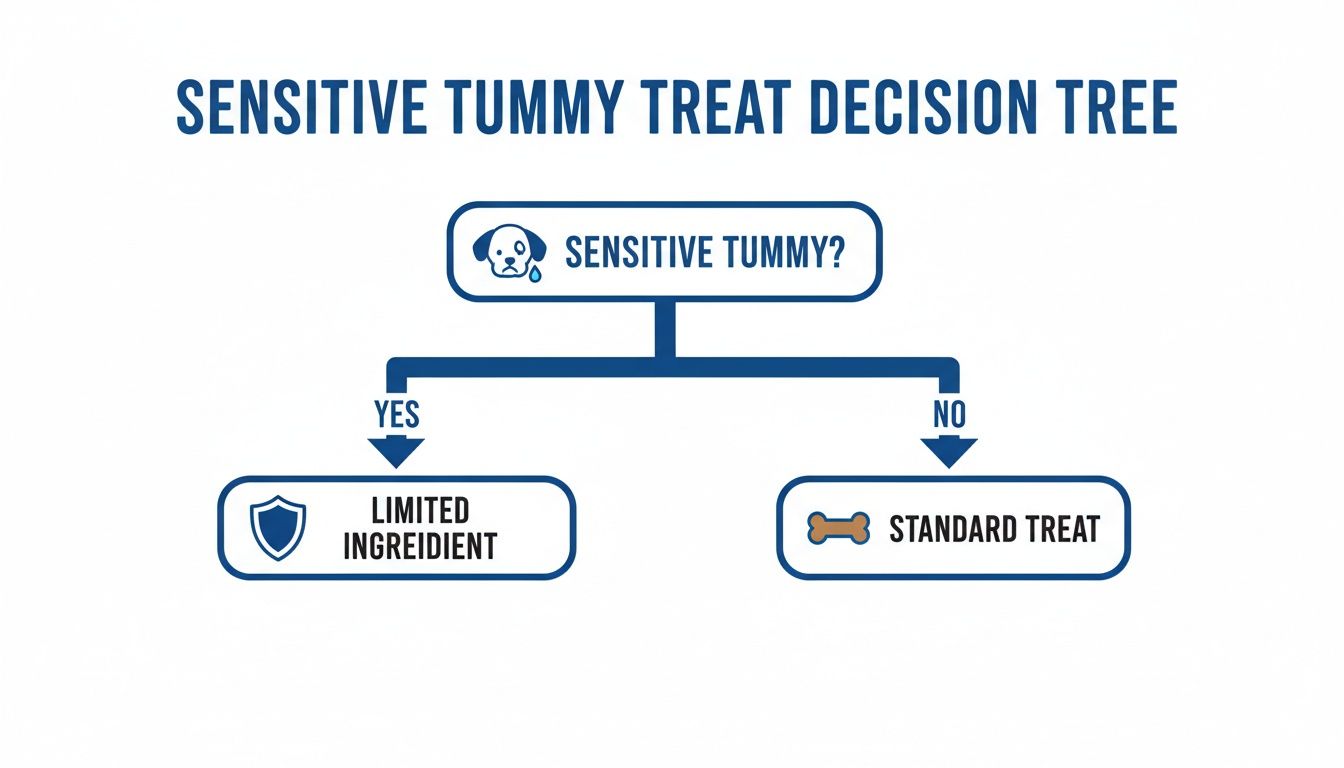
As you can see, a sensitive tummy usually just means you should look for treats with fewer ingredients. It simplifies your shopping trip and keeps your pup's digestion happy.
The Joy of Homemade Puppy Treats
On the flip side, making your own treats gives you 100% control over every single thing that goes into your puppy’s mouth. This is huge for dogs with known allergies, food sensitivities, or even just a picky palate. You get to ensure every ingredient is fresh, wholesome, and pup-safe.
For example, many homemade recipes use peanut butter. By making your own peanut butter, you can be absolutely sure it’s free from added sugars or the dangerous sweetener xylitol. Plus, baking for your dog is a wonderfully fun way to bond!
Homemade treats are the ultimate solution for pups with allergies. You can hand-select novel proteins and grain-free binders to create a delicious reward that’s perfectly tailored to their needs, with no mystery ingredients involved.
Feeling inspired to preheat the oven? You'll be surprised how easy it is to whip up healthy rewards your puppy will go nuts for.
Your Top Puppy Training Treat Questions, Answered
One of the best parts of being in the SetterFrens community is getting to swap stories and answer questions from fellow puppy parents. When it comes to training treats, a few questions pop up all the time. Let's dig into them, with some straightforward advice from one dog lover to another.
How Many Treats Can I Give My Puppy Each Day?
This is the big one, right? The golden rule here is the 10% rule. It’s super simple: treats should make up no more than 10% of your puppy's total daily calories. Sticking to this keeps their diet balanced and helps you avoid accidental weight gain, even when you’re rewarding them like the little superstar they are.
So, how does that look in real life? First, grab your puppy's food bag and find the daily feeding guide. If it says your pup needs 500 calories a day, that gives you a "treat budget" of about 50 calories.
To make those 50 calories go further, always opt for low-calorie treats and break them into tiny, pea-sized pieces. This way, you can reward them dozens of times without blowing the budget. On days with a lot of training, you can just dial back their regular meal a tiny bit to keep everything in balance.
Is It Okay to Use My Puppy's Kibble for Training?
Yes, absolutely! Using your puppy's own kibble is a fantastic (and budget-friendly) way to train. It works perfectly for practicing skills your puppy is already getting the hang of, especially in a quiet spot like your living room. Think of it as their base pay for just showing up to work.
But when the stakes are higher—like teaching a tricky new cue or working at a busy park with tons of distractions—kibble might not be exciting enough to keep their focus. That's when you pull out the "high-value" treats. We're talking about the really good, extra-smelly stuff that makes their eyes go wide.
Think of high-value treats as a big performance bonus. You save them for major breakthroughs, like a perfect recall or bravely walking past a scary garbage can. It makes those rewards feel incredibly special and powerful.
A great training routine uses both. Use kibble to reinforce the easy wins and save the special treats for those "WOW!" moments. This keeps your puppy guessing and eager to see what reward they'll get next.
What Human Foods Are Safe for Puppy Training?
Your kitchen is full of potential high-value treats! Just remember that moderation is key, and everything should be plain and unseasoned.
Here are a few pup-approved favorites you might already have on hand:
- Cooked Chicken or Turkey: Tiny, boiled, unseasoned pieces are basically puppy gold.
- Fruits: Small bits of apple (no seeds!), blueberries, or seedless watermelon are a sweet, healthy surprise.
- Veggies: A little crunch from a piece of carrot, green bean, or cooked sweet potato is always a hit.
It's just as important to know what’s off-limits. Never feed your puppy grapes, raisins, onions, garlic, macadamia nuts, chocolate, or anything with the artificial sweetener xylitol. If you're ever unsure about a new food, a quick call to your vet is always the safest bet.
When Can I Start Using Training Treats with My Puppy?
You can start the moment you bring your new best friend home, usually around 8 weeks old. In those early days, training is all about building positive connections, and treats are your best tool for the job. You'll be using them to celebrate successful potty trips outside, rewarding them for looking at you when you say their name, and showing them their crate is a wonderful place to be.
With a pup this little, it’s vital to choose treats that are made for them. Look for soft, tiny treats specifically designed for puppies that are easy for them to chew and digest. Starting small makes their first training sessions safe, fun, and super rewarding.
At SetterFrens, we believe training is really just a conversation that builds a beautiful bond between you and your dog. From our curated dog-themed books to our practical guides, we're here to cheer you on. Join our Puppicino Club to unlock member perks, book updates, and dog-friendly treats. For more heartwarming dog moments and product tips, follow our pack on TikTok and Instagram! You can join our community at https://setterfren.com and find official SetterFrens merchandise on Etsy.com.